B2B Negotiation Mistakes That Cost Money

In today’s hyper-competitive B2B landscape, negotiation is more than just a transactional exchange – it’s a strategic battleground where winning or losing can mean millions in revenue or savings. Imagine a seasoned procurement manager walking into a supplier negotiation without a clear Best Alternative to a Negotiated Agreement (BATNA), only to settle for a suboptimal deal that inflates costs by 10%. Or consider a sales director who fails to establish a strong Zone of Possible Agreement (ZOPA) and ends up conceding critical contract terms that erode profitability. These scenarios are not hypothetical—they happen daily and cost businesses dearly.
B2B negotiations are complex due to multiple stakeholders, longer sales cycles, and intricate contract terms. The stakes are high, and mistakes are costly. Yet many companies fail to invest in negotiation training or strategic preparation, relying on outdated tactics or gut feelings. This article dives deep into the most common B2B negotiation blunders that cost money, backed by proven frameworks and real-world examples. By understanding these pitfalls and applying practical strategies, you will be empowered to negotiate smarter, protect margins, and forge stronger partnerships.
You will learn how to identify and avoid critical errors such as poor preparation, ignoring BATNA, mismanaging anchoring effects, failing to build relationships, and neglecting post-negotiation follow-up. We also provide actionable scripts, negotiation frameworks, and KPIs to track your negotiation effectiveness. Whether you are a sales leader, procurement professional, or business owner, mastering these negotiation fundamentals will transform your deal-making outcomes.
· Table of Contents
· Poor Preparation and Lack of Research
· Ignoring BATNA and ZOPA Frameworks
· Overreliance on Price as the Sole Negotiation Point
· Ineffective Communication and Anchoring Mistakes
· Neglecting Relationship Building and Emotional Intelligence
· Failing to Document and Follow Up Properly
· Frequently Asked Questions (FAQs)
· Conclusion and Next Steps
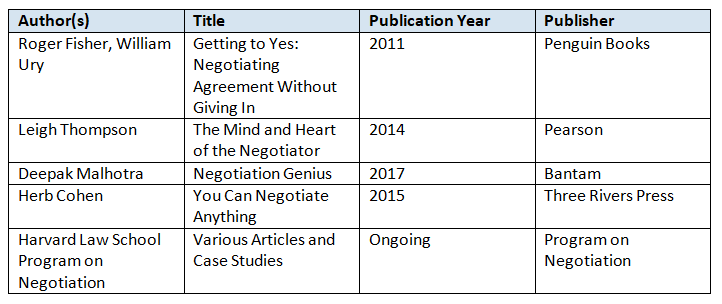
· References
Poor Preparation and Lack of Research
One of the most costly mistakes in B2B negotiation is entering discussions without rigorous preparation. Preparation includes understanding the client or supplier’s business model, pain points, market position, and negotiation history. Without this foundational knowledge, negotiators are vulnerable to surprises and concessions that could have been anticipated.
A Harvard Business Review study found that negotiators who spend more time on preparation outperform those who rely on intuition by an average of 20% in deal value. Preparation also involves assembling the right internal team, aligning on objectives, and developing a clear negotiation plan with fallback positions.
· Key preparation activities include:
· Conducting detailed stakeholder analysis to map decision-makers and influencers
· Researching market benchmarks and competitor pricing
· Identifying your own value drivers and potential trade-offs
· Developing realistic goals and walk-away points
For example, a global manufacturing company once lost a multimillion-dollar contract by underestimating the supplier’s cost structure and overemphasizing price discounts. With better preparation and cost modeling, they could have crafted a more compelling offer and identified mutual gains.
Preparation Framework: The 5 Ps
To structure preparation effectively, many top negotiators use the "5 Ps" framework:
· Purpose: Define clear objectives and desired outcomes.
· People: Identify all parties and their interests.
· Place: Understand the negotiation environment and leverage location or timing.
· Process: Choose negotiation style and tactics (collaborative vs competitive).
· Preparation: Gather data, rehearse scripts, and set BATNA.
Applying the 5 Ps ensures no critical area is overlooked before the negotiation begins.
Ignoring BATNA and ZOPA Frameworks
Two cornerstone concepts from negotiation theory—BATNA (Best Alternative to a Negotiated Agreement) and ZOPA (Zone of Possible Agreement)—are often misunderstood or neglected in B2B deals. This oversight frequently leads to settling for unfavorable terms or walking away unnecessarily.
For example, a SaaS vendor underestimated the client’s alternative solutions and set unrealistic pricing expectations. The client’s BATNA was a cheaper competitor solution, so the deal stalled. Had the vendor analyzed the client’s BATNA and identified the ZOPA, they could have focused on value-added services to justify premium pricing.
Calculating Your BATNA
To calculate your BATNA:
· List all alternatives if negotiation fails.
· Evaluate the value and feasibility of each alternative.
· Select the best alternative and quantify its worth.
Identifying ZOPA
Determine the minimum acceptable outcome for both parties and find the overlap. Use market data, prior deals, and stakeholder input. For example:

Here, the ZOPA lies between $90,000 and $95,000.
Overreliance on Price as the Sole Negotiation Point
Many B2B negotiators fixate on price, neglecting other critical value drivers such as service levels, contract terms, delivery schedules, and innovation partnerships. This narrow focus often leads to a race to the bottom, eroding margins and damaging long-term relationships.
The Harvard Negotiation Project advocates for value-based negotiation, which expands the conversation beyond price to explore integrative solutions that satisfy both parties’ interests.
· Alternative negotiation levers include:
· Payment terms and financing options
· Volume discounts and bundling
· Service-level agreements (SLAs)
· Intellectual property rights or exclusivity clauses
For instance, a logistics provider negotiated a multimillion-dollar contract by agreeing to a slightly lower price but securing a longer contract term with guaranteed volume growth. This created predictability for both sides and increased lifetime value.
Script Example: Shifting Focus from Price to Value
Sales Rep: "I understand price is important. Beyond cost, what other factors would make this partnership most valuable to you?"
Client: "Delivery reliability and responsiveness are critical for us."
Sales Rep: "Great, we can explore service-level guarantees and dedicated support to meet those needs, which might provide better overall value even if the price is slightly higher."
This script steers the conversation toward mutually beneficial terms.
Ineffective Communication and Anchoring Mistakes
Communication style heavily influences negotiation outcomes. Poor communication—such as aggressive demands, unclear proposals, or failure to listen—can derail deals. One common cognitive bias affecting B2B negotiations is anchoring, where the first number mentioned sets the tone for the entire discussion.
Anchoring can be a double-edged sword. Skilled negotiators use anchoring to their advantage, but misapplied anchors can alienate the counterpart or lock you into unfavorable positions.
For example, a technology vendor started negotiations by quoting an inflated list price without justification. The buyer anchored on that figure, causing the vendor to make large concessions later to close the deal.
Communication Best Practices
· Use open-ended questions to uncover interests.
· Practice active listening and empathy.
· Avoid ultimatums or inflexible demands.
· Reframe negative statements positively.
Anchoring Strategy
To effectively use anchoring:
· Set a reasonable, data-backed initial offer.
· Prepare to explain and justify your anchor with evidence.
· Counter-anchor by reframing or introducing new reference points.
Dialogue Example: Handling Anchoring
Buyer: "Your price is too high at $120,000."
Seller: "I understand. That figure reflects the comprehensive service package we provide, which includes 24/7 support and custom integration worth $30,000 alone. If we adjust the scope, we could explore more flexible pricing."
This approach defuses the anchor and reframes the value.
Neglecting Relationship Building and Emotional Intelligence
B2B negotiations are rarely one-off transactions; they often set the tone for enduring partnerships. Failing to invest in relationship building or ignoring the emotional undercurrents can sabotage trust and future opportunities.
Emotional intelligence (EI)—the ability to recognize and manage your emotions and those of others—is a critical skill in negotiation. High EI negotiators read nonverbal cues, adapt their style, and build rapport, which facilitates collaborative problem-solving.
Research by the Program on Negotiation at Harvard shows negotiators with high empathy and EI achieve 15-20% better outcomes.
· Relationship-building tactics include:
· Spending time on informal conversations before diving into business
· Acknowledging counterpart’s pressures and constraints
· Demonstrating flexibility on non-critical issues
· Following up with personalized communications post-meeting
Example: Leveraging EI in Procurement Negotiations
A procurement director noticed the supplier’s representative seemed stressed due to internal company changes. Instead of pushing aggressively, she acknowledged the challenges and offered to adjust timelines. This empathy built goodwill, enabling better pricing and priority service later.
Failing to Document and Follow Up Properly
The negotiation doesn’t end when the deal is verbally agreed upon. Poor documentation and lack of follow-up often cause misinterpretations, contract disputes, and missed performance targets that ultimately cost money.
Clear, precise contract language aligned with negotiated terms is essential. Additionally, establishing accountability mechanisms and tracking key performance indicators (KPIs) ensures contract compliance and continuous value delivery.
· Documentation best practices:
· Record all agreed terms with clarity and legal review.
· Summarize key points and next steps immediately after meetings.
· Set timelines for deliverables and checkpoints.
· Assign responsible parties for follow-up actions.
Post-Negotiation Script Example
"Thank you for the productive discussion today. To confirm, we agreed on a 5% price discount contingent on a 12-month contract with monthly delivery milestones. I will send a draft contract by Friday for your review. Please let me know if you have any questions."
Metrics to Track Negotiation Success
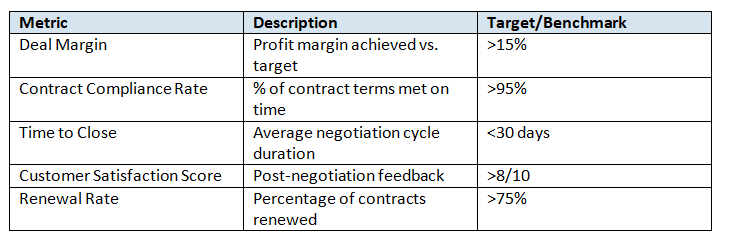
Monitoring these KPIs enables continuous improvement.
Frequently Asked Questions
What is the biggest negotiation mistake in B2B sales?
The most significant mistake is poor preparation. Without in-depth research on the counterpart’s needs, alternatives, and market context, negotiators lack leverage and clarity, often leading to unfavorable deals.
How can I improve my BATNA?
Improving your BATNA requires expanding your alternatives before negotiations. This might include identifying additional suppliers, exploring different contract structures, or enhancing internal capabilities to reduce dependency.
Why is emotional intelligence important in negotiations?
Emotional intelligence helps negotiators build rapport, read unspoken signals, and manage conflicts constructively. This fosters trust and collaboration, leading to better outcomes and long-term partnerships.
How do I counter an unfair anchor during negotiation?
Counter an unfair anchor by introducing objective data, reframing the discussion around value rather than price, and setting your own reference points supported by market research.
What are effective follow-up practices after closing a B2B negotiation?
Effective follow-up includes promptly documenting agreed terms, sending contract drafts, scheduling implementation meetings, and regularly monitoring KPIs to ensure commitments are met.
Conclusion
Effective B2B negotiation is a multifaceted discipline that requires meticulous preparation, strategic use of frameworks like BATNA and ZOPA, skilled communication, and strong relationship management. Avoiding common mistakes such as ignoring alternatives, focusing solely on price, and neglecting emotional intelligence can save your organization substantial money and build enduring business partnerships.
By applying the expert strategies and practical scripts outlined in this article, you will elevate your negotiation capabilities, close deals more profitably, and foster collaborative relationships that drive sustained success. Start integrating these insights into your next negotiation and track your progress with clear KPIs to continuously refine your approach.