B2B Negotiation Scripts and Examples: Proven Tactics to Close Enterprise Deals

In today’s hyper-competitive B2B marketplace, the ability to negotiate effectively is a key differentiator between average and elite sales performers. Imagine navigating a complex deal with a Fortune 500 procurement team who demands concessions on price, delivery, and service levels — without losing margin or trust. The stakes are high, and every word counts.
Successful B2B negotiations require more than just instincts; they demand strategic preparation, psychological insight, and carefully crafted communication. Mastering negotiation scripts and understanding real-world examples empower sales professionals to handle objections, build value, and secure commitments confidently. In this comprehensive guide, you will discover actionable negotiation scripts, proven frameworks like BATNA and ZOPA, and practical dialogue examples tailored for enterprise sales scenarios.
Whether you are leading a multi-million dollar contract discussion or managing mid-market renewals, this guide equips you with the tools and scripts to structure conversations, manage expectations, and close deals with greater certainty and profitability.
· Table of Contents
· Understanding Core B2B Negotiation Principles
· Preparing Your Negotiation: Research and BATNA Development
· Structuring Effective Negotiation Scripts
· Real-World B2B Negotiation Script Examples
· Leveraging Psychological Techniques in Negotiations
· Measuring Negotiation Success: KPIs and Metrics
· Frequently Asked Questions
· Conclusion and Next Steps
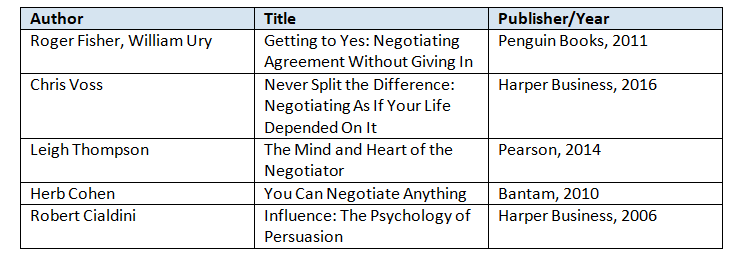
· References
Understanding Core B2B Negotiation Principles
Negotiation in B2B contexts differs significantly from consumer sales due to the complexity, scale, and multiple stakeholders involved. The foundational principles help frame your approach and ensure you enter discussions with clarity and confidence.
At its core, negotiation is about creating mutual value — a win-win outcome where both parties feel their key interests are addressed. The two pivotal frameworks that underpin effective B2B negotiation are BATNA (Best Alternative to a Negotiated Agreement) and ZOPA (Zone of Possible Agreement).
Other principles to keep in mind include:
· Preparation and research to understand the buyer’s needs and constraints
· Building rapport and trust to facilitate open communication
· Managing emotions and avoiding positional bargaining traps
· Using objective criteria and data to justify your terms
By mastering these principles, you create a solid foundation for your negotiation scripts and tactics.
Preparing Your Negotiation: Research and BATNA Development
Before entering any negotiation, preparation is paramount. This phase involves gathering intelligence, defining your objectives, and clarifying your walk-away points.
Start by conducting thorough research on the prospect’s business, industry challenges, and procurement policies. For instance, if you’re selling cloud infrastructure to a financial services firm, understand their compliance requirements and budget cycles. Tools like LinkedIn, industry reports, and public filings offer valuable insights.
Next, develop your BATNA by identifying alternative opportunities or options. In a recent example, a SaaS company preparing for renewal discussions with a major client identified that expanding to a smaller regional client was a viable fallback. This knowledge allowed the sales team to negotiate firmly without fear of losing the deal.
Preparing a negotiation checklist can streamline this process:
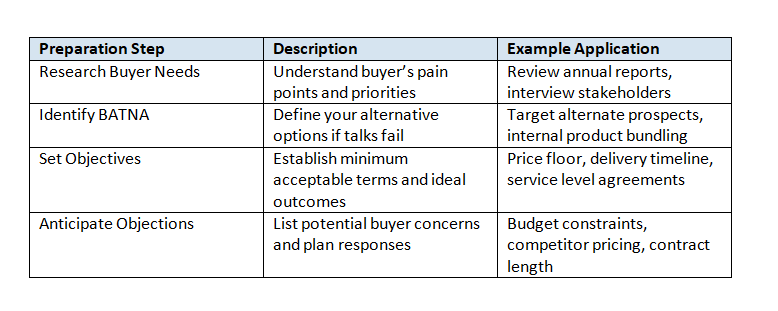
This preparation phase sets the stage for scripted dialogues that are both persuasive and responsive.
Structuring Effective Negotiation Scripts
Negotiation scripts are structured conversation guides designed to help you communicate strategically while remaining adaptable. They should incorporate key elements such as:
· Opening statements that establish rapport and set a collaborative tone
· Value propositions aligned with buyer priorities
· Questions that uncover underlying interests and constraints
· Responses to common objections using empathy and data
· Closing statements that invite commitment or next steps
One widely used structure is the C.L.O.S.E. Model , which stands for:
· Connect – Build rapport and understand context
· Listen – Actively hear buyer concerns
· Outline – Present your value and terms clearly
· Solve – Address objections and find solutions
· End – Confirm agreement or plan follow-up
Here is an example script snippet using the C.L.O.S.E. framework for a pricing objection:
Script Example: Handling Pricing Objection
Sales Rep: "I appreciate your concern about the pricing. Could you help me understand how budget constraints are impacting your decision?"
Buyer: "We have a fixed budget this quarter, and your price is above what we planned."
Sales Rep: "That makes sense. Given that, would it help if we explored a phased implementation that aligns better with your budget cycles while still delivering key benefits upfront?"
Buyer: "Yes, that could work."
Sales Rep: "Great, let me outline a proposal that phases the rollout over six months, ensuring you get value immediately while managing costs."
This approach combines empathy, questioning, and solution-oriented dialogue to keep negotiations constructive.
Real-World B2B Negotiation Script Examples
To illustrate how these frameworks and structures come to life, here are detailed scripts based on actual enterprise sales scenarios.
Example 1: Negotiating Contract Renewal with Price Increase
Context: A cybersecurity firm is renewing a contract with a large retail chain but needs to increase prices due to added features.
Sales Rep: "Thank you for partnering with us over the past year. We've introduced new AI-driven threat detection capabilities that have significantly improved protection. I'd like to discuss how these enhancements align with your security goals moving forward."
Buyer: "We’re happy with the service but concerned about the price increase."
Sales Rep: "I understand. Can you share what your budget considerations are for this renewal?"
Buyer: "We have a tight budget, and the proposed increase is challenging."
Sales Rep: "To respect your budget, we can explore a tiered pricing model where you adopt the new features gradually while maintaining current service levels. This approach allows you to spread costs and realize immediate benefits."
Buyer: "That sounds promising."
This script demonstrates using value justification, questioning, and flexible offers to mitigate resistance.
Example 2: Technology Vendor Negotiating Payment Terms
Context: A SaaS vendor wants to move from annual upfront payments to quarterly payments for improved cash flow.
Sales Rep: "We’ve appreciated your business and want to ensure our partnership continues smoothly. We are considering offering quarterly payment options to provide more flexibility. How does your finance team view this?"
Buyer: "Annual payments are standard for us, but quarterly could be considered if there are incentives."
Sales Rep: "Understood. If we can agree on a small premium to offset administrative costs, would quarterly payments be feasible?"
Buyer: "Potentially, yes."
This dialogue uses anchoring and concession trading to open new payment possibilities.
Leveraging Psychological Techniques in Negotiations
Understanding psychology enhances your negotiation effectiveness. Key principles include:
· Anchoring: Setting the initial offer high or low to influence perceptions. For example, starting with a premium pricing anchor can make subsequent concessions seem more reasonable.
· Reciprocity: Offering small concessions or favors to encourage buyer cooperation.
· Social Proof: Citing references or case studies to build credibility.
· Framing: Presenting options to highlight gains rather than losses.
· Loss Aversion: Emphasizing what the buyer risks losing if they delay or reject the deal.
In practice, a sales rep might say:
"Many of our clients in your industry have seen a 20% reduction in downtime after implementing this solution, which translates to significant revenue protection. Delaying deployment could risk missing these benefits."
Such framing appeals to the buyer’s desire to avoid losses.
Measuring Negotiation Success: KPIs and Metrics
To continuously improve, track metrics that reflect negotiation performance and outcomes. Key indicators include:
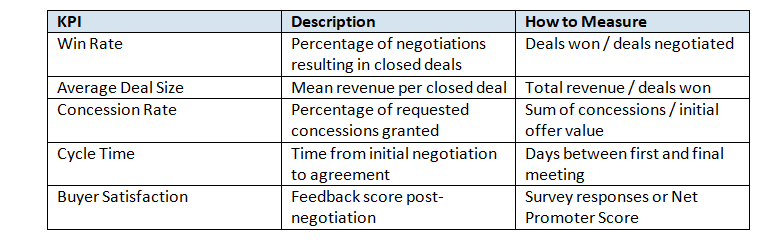
Regularly reviewing these metrics uncovers patterns—such as high concession rates indicating weak BATNA or long cycle times suggesting indecision—that inform strategy adjustments.
Frequently Asked Questions
1. How can I develop a strong BATNA for B2B negotiations?
Developing a strong BATNA involves identifying alternative opportunities or approaches if the current negotiation fails. This may include engaging other prospects, adjusting your product offering, or partnering with different suppliers. The key is thorough market research and internal alignment on acceptable fallback options.
2. What is the best way to handle aggressive pricing demands?
Use objective criteria like market benchmarks, cost structures, and value delivered to justify your pricing. Employ the anchoring technique by presenting your price confidently first and be ready to explore creative solutions, such as phased pricing or bundled offerings, to address budget constraints.
3. Should I use a rigid script or be flexible in negotiations?
Scripts serve as frameworks rather than rigid dialogues. Flexibility is essential to respond to buyer cues and objections naturally. Scripts help ensure you cover critical points and maintain strategic focus but must adapt to flow and context.
4. How do I build trust quickly in virtual negotiations?
Prepare by researching the buyer, use video conferencing to enhance personal connection, practice active listening, and demonstrate transparency by sharing relevant data and case studies. Consistency and follow-up are also key trust builders.
5. What role does emotional intelligence play in B2B negotiation?
Emotional intelligence helps recognize and manage your emotions and those of buyers. It enables you to handle objections calmly, build rapport, and identify underlying interests, leading to more collaborative and successful negotiations.
Conclusion
Mastering B2B negotiation scripts and understanding real-world examples enable sales professionals to navigate complex deals with greater confidence and effectiveness. By grounding your approach in established frameworks like BATNA and ZOPA, preparing thoroughly, and leveraging psychological techniques, you can structure conversations that address buyer needs, manage objections, and close profitable agreements.
Remember, negotiation is a dynamic process that benefits from continual learning and adaptation. Use the scripts and tactics provided here as foundations, customize them to your industry and clients, and measure your results to refine your approach. Start implementing these strategies today to accelerate your sales pipeline and elevate your negotiation outcomes.