Building Leverage in B2B Negotiations

In the high-stakes world of B2B sales and procurement, leverage is the currency that determines who holds the advantage at the negotiation table. Imagine a scenario where a Fortune 500 company seeks to secure a multi-million-dollar software contract. The vendor, confident in their unique solution, believes they hold all the cards. Meanwhile, the buyer has done their homework, identifying alternative providers and understanding the vendor’s weaknesses. The outcome hinges on who can build and wield leverage most effectively.
In today’s competitive and complex market, building leverage goes beyond simply having alternatives or pricing power. It requires a nuanced understanding of negotiation psychology, market dynamics, and strategic preparation. For B2B professionals, mastering leverage means not only closing deals but also ensuring those deals create sustainable value and strong partnerships.
This article will guide you through the essential frameworks, tactics, and actionable strategies for building leverage in B2B negotiations. You’ll learn how to identify and cultivate leverage points, apply negotiation theories like BATNA and ZOPA, use anchoring effectively, and leverage data and relationships to your advantage.
· Table of Contents
· Understanding Leverage in B2B Negotiations
· Preparing to Build Leverage: Research and BATNA Development
· Psychological Techniques to Strengthen Negotiation Leverage
· Leveraging Market Dynamics and Competitive Intelligence
· Tactics and Scripts for Applying Leverage in Negotiations
· Measuring Your Leverage: Metrics and Post-Negotiation Analysis
· Frequently Asked Questions
· Conclusion
· References
Understanding Leverage in B2B Negotiations
Leverage in B2B negotiations is the power or influence that one party holds to shape the terms of an agreement in their favor. Unlike consumer transactions, B2B deals often involve multiple stakeholders, complex requirements, and long-term commitments, making leverage multifaceted.
· Alternative Options – Having credible alternatives to the deal at hand, also known as BATNA (Best Alternative to a Negotiated Agreement), is the foundational source of leverage.
· Information – Access to superior market data, competitor pricing, or internal cost structures can create leverage by informing better decisions.
· Time – Deadlines, budget cycles, or product launch schedules can pressure the opposing party, shifting leverage.
· Relationships and Reputation – Long-standing partnerships or a reputation for reliability can enhance leverage through trust or threat of lost future business.
· Unique Capabilities – Proprietary technology, exclusive products, or specialized expertise can serve as leverage by differentiating your offering.
A global logistics provider negotiating a long-term contract with a large retailer used their proprietary supply chain optimization software as leverage. Although the retailer was price-sensitive, the software’s ability to reduce inventory costs gave the provider a strong position to justify premium pricing.
Understanding leverage requires not just knowing these types but also recognizing that leverage is dynamic—it shifts as negotiations progress and as new information or alternatives arise.
Preparing to Build Leverage: Research and BATNA Development
Preparation is the cornerstone of building leverage. Without a strong BATNA and comprehensive research, negotiators enter discussions from a position of weakness.
Developed by Roger Fisher and William Ury in “Getting to Yes,” BATNA represents the best fallback option if negotiations fail. Knowing your BATNA—and estimating your counterpart’s—helps you avoid accepting unfavorable terms.
· Identify all possible alternatives to the current deal, including new suppliers, different contract structures, or internal solutions.
· Assess the value, feasibility, and risks of each alternative.
· Select the strongest alternative as your BATNA and keep it updated as circumstances evolve.
· Gauge the other party’s likely BATNA through market intelligence and competitor analysis.
Leverage is augmented by deep knowledge about the other party’s business objectives, constraints, and priorities. Use frameworks like the Stakeholder Analysis Matrix to identify key decision-makers, their influence, and interests.
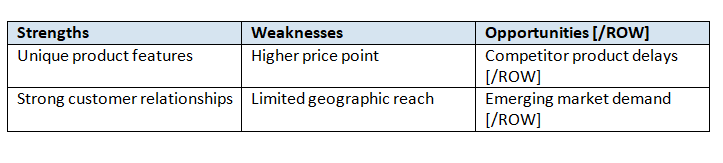
This analysis helps you highlight areas where you can assert leverage (e.g., emphasizing your unique strengths) and prepare to address vulnerabilities.
Leveraging Procurement Cycles and Budget Timelines
In many enterprises, procurement follows strict fiscal calendars. Aligning your negotiation timing with these cycles can enhance leverage.
· Know when budgets are approved and when spending authorities reset.
· Use end-of-quarter or end-of-fiscal-year urgency to accelerate decisions.
· Conversely, if you hold the luxury of time, delay negotiations to gain leverage from buyer budget pressures.
Psychological Techniques to Strengthen Negotiation Leverage
Negotiations are as much psychological contests as transactional ones. Applying behavioral principles can shift leverage in your favor.
Anchoring is a cognitive bias where the first number put on the table heavily influences the negotiation range. B2B experts use anchoring to set favorable starting points.
Anchoring Script Example
Vendor: “Based on the scope and industry benchmarks, our solution typically starts at $1.2 million annually. Given your requirements, the investment would be in that range.”
This early anchor frames the buyer’s expectations and can make subsequent concessions appear more reasonable.
People are more likely to concede after receiving something of value. Offering small concessions or additional services early can build goodwill and leverage for more significant asks later.
Buyers and sellers are more motivated to avoid losses than to achieve gains. Highlighting what the other party risks losing by not agreeing can create urgency and leverage.
Presenting proposals in terms that emphasize benefits or avoid negative perceptions strengthens persuasion. For example, framing a price increase as an investment in risk mitigation can shift leverage.
Leveraging Market Dynamics and Competitive Intelligence
Industry trends, competitor behaviors, and regulatory changes can all be leveraged in negotiations.
Gathering insights about competitors’ offerings, pricing, and contract terms can reveal leverage points. For instance, if a competitor recently lowered prices due to supply chain issues, you can leverage your stable supply chain as a differentiator.
Supply shortages, demand surges, or economic downturns affect leverage. In a seller’s market, vendors have more leverage; in a buyer’s market, buyers do.
Changes in compliance requirements can create urgency or barriers that one party can leverage. For example, if new data privacy laws increase the cost of switching vendors, the incumbent gains leverage.
Example: Leveraging a Regulatory Shift
A cybersecurity firm used impending GDPR regulations to negotiate higher fees by emphasizing the need for compliance expertise and fast implementation, leveraging the buyer’s risk of non-compliance.
Tactics and Scripts for Applying Leverage in Negotiations
Having identified and built leverage, applying it effectively at the table requires tactical execution.
Start with an ambitious but justifiable proposal. Use data and benchmarks to defend your position.
“We’ve benchmarked similar implementations across your industry, and $1.5 million annually reflects the comprehensive value we deliver, including ongoing support and upgrades.”
Use concessions to extract value in return. Avoid giving away leverage by demanding reciprocity explicitly.
“If we can agree on $1.3 million, we’re prepared to include an additional training module at no extra cost.”
Create urgency to shift leverage by setting clear timelines.
“Our current pricing is valid through the end of this quarter due to supplier cost increases. Locking in now ensures these rates.”
Skilled questioning can reveal the other party’s constraints and priorities.
· “What are your key success criteria for this partnership?”
· “How does this deal fit into your broader business objectives this fiscal year?”
· “Are there any budget or compliance deadlines we should be aware of?”
Measuring Your Leverage: Metrics and Post-Negotiation Analysis
Quantifying leverage is challenging but essential for continuous improvement.
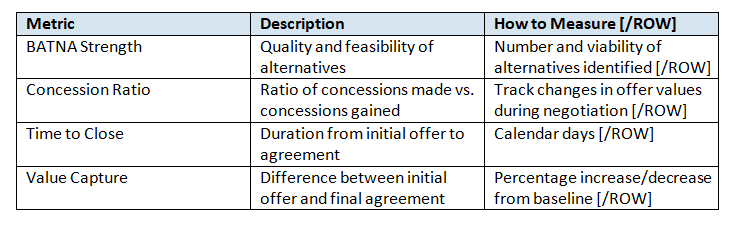
Post-negotiation reviews should analyze these metrics and incorporate feedback from stakeholders to refine leverage-building strategies.
Frequently Asked Questions
Start by mapping all alternative solutions, including internal options, other suppliers, or delaying the project. Evaluate each alternative’s cost, time, and risk to determine which is genuinely viable. Engage cross-functional teams to uncover hidden alternatives. The stronger your BATNA, the more leverage you hold.
Acknowledge the imbalance and focus on creating value in other areas. Use creative deal structures, such as phased contracts or performance-based pricing, to mitigate risk. Build relationships to earn trust and gather more information, which can create leverage over time. Also, revisit your BATNA to strengthen alternatives.
Critical. Emotional intelligence enables you to read the room, understand motivations, and respond to concerns effectively. It helps in building rapport and trust, which can transform adversarial negotiations into collaborative problem-solving, thereby increasing your influence.
Yes. CRM systems, competitive intelligence platforms, and data analytics tools provide real-time insights that enhance your preparation and negotiation strategy. For example, AI-driven pricing tools can suggest optimal anchor points based on market data.
Continuously update your information and assess alternatives. Manage expectations carefully and avoid revealing your bottom lines prematurely. Use each phase to build momentum and demonstrate value incrementally. Keep the relationship positive to avoid leverage erosion.
Conclusion
Building leverage in B2B negotiations is both art and science. It demands rigorous preparation, psychological insight, and strategic application of market intelligence and negotiation frameworks. By mastering BATNA development, anchoring, timing, and leveraging competitive and regulatory dynamics, B2B professionals can shift power in their favor and secure deals that drive sustainable business outcomes.
As you integrate these strategies into your negotiation playbook, remember that leverage is dynamic and relational. Cultivate it thoughtfully, apply it judiciously, and always seek to create mutual value. Start today by assessing your current negotiation processes and identifying your strongest leverage points—your next deal could hinge on it.
References
· Fisher, Roger, William Ury, and Bruce Patton. Getting to Yes: Negotiating Agreement Without Giving In. Penguin Books, 2011.
· Shell, G. Richard. Bargaining for Advantage: Negotiation Strategies for Reasonable People. Penguin Books, 2006.
· Malhotra, Deepak, and Max H. Bazerman. Negotiation Genius: How to Overcome Obstacles and Achieve Brilliant Results at the Bargaining Table and Beyond. Bantam, 2007.
· Cialdini, Robert B. Influence: The Psychology of Persuasion. Harper Business, 2006.
· Lewicki, Roy J., Bruce Barry, and David M. Saunders. Negotiation. McGraw-Hill Education, 2015.