Common Negotiation Mistakes and How to Avoid Them

Negotiation is an essential skill in both business and daily life, yet many people unknowingly sabotage their outcomes by making common mistakes. Whether you’re negotiating a salary, closing a deal, or resolving a conflict, avoiding these pitfalls can dramatically improve your success rate. Understanding the psychology behind negotiation errors and applying proven techniques can transform your approach from reactive to strategic.
This comprehensive guide exposes the most frequent negotiation mistakes, explains why they happen, and offers actionable advice to help you avoid them. You will learn specific strategies, psychological principles, and real-world examples that empower you to negotiate with confidence and effectiveness. By mastering these insights, you can protect yourself from costly errors and achieve better agreements every time.
· Table of Contents
· Failing to Prepare Thoroughly
· Letting Emotions Control the Process
· Ignoring the Other Party’s Interests
· Making Unilateral Concessions Too Quickly
· Overlooking the Power of Silence and Timing
· Neglecting to Establish Clear Objectives
· Poor Communication and Misinterpretation
· Frequently Asked Questions
· Conclusion and Next Steps
Failing to Prepare Thoroughly
One of the most costly negotiation mistakes is going into talks without adequate preparation. Preparation is the foundation of effective negotiation, influencing everything from confidence to strategic flexibility. Without it, negotiators are left guessing, reacting impulsively, or missing critical information that could be leveraged.
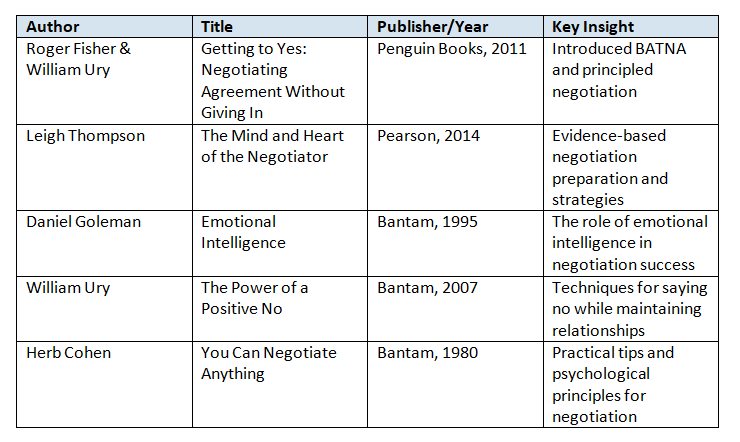
Preparation includes researching the other party’s needs, objectives, constraints, and alternatives. It also means clarifying your own goals, bottom line, and walk-away point. According to negotiation scholar Leigh Thompson, preparation increases negotiator confidence and helps identify potential trade-offs.
· Conduct a BATNA analysis (Best Alternative to a Negotiated Agreement) to understand your fallback options.
· Research the other party’s industry, market position, and recent developments.
· Define your objectives clearly with prioritized outcomes.
· Practice negotiation scripts and anticipate counterarguments.
The BATNA Principle
Introduced by negotiation experts Roger Fisher and William Ury, BATNA is a critical concept to avoid over-committing. Knowing your BATNA gives you leverage and clarity on when to walk away.
Letting Emotions Control the Process
Negotiations can be emotionally charged, but allowing feelings like anger, frustration, or anxiety to dominate leads to poor decisions. Emotional hijacking reduces cognitive processing and can cause reactive concessions or aggression.
Psychological research shows that emotional intelligence (EI) is a key predictor of negotiation success. High EI enables negotiators to recognize their own emotions and those of others, regulating responses to maintain productive dialogue.
· Reacting defensively to criticism.
· Taking offers or refusals personally.
· Escalating conflicts unnecessarily.
· Use the “Pause and Breathe” method: take a moment before responding to cool down.
· Employ reframing techniques to view challenges as opportunities.
· Practice active listening to reduce misunderstandings and build rapport.
“I appreciate your perspective. Let me take a moment to consider that so we can find the best way forward.”
Ignoring the Other Party’s Interests
Negotiators who focus solely on their own demands often overlook underlying interests, which can create deadlocks or suboptimal agreements. The principle of interest-based negotiation, popularized in “Getting to Yes” by Fisher and Ury, stresses identifying mutual gains by understanding what truly matters to both sides.
For example, a supplier and buyer negotiating price might find value by discussing delivery schedules or payment terms instead of fixating on cost alone.
· Ask open-ended questions to explore motivations and constraints.
· Use empathy mapping to put yourself in the other party’s shoes.
· Separate positions (what they say) from interests (why they say it).
Making Unilateral Concessions Too Quickly
Concessions are a natural part of negotiation, but giving them up too early or without reciprocity weakens your position. Unilateral concessions can signal desperation or lack of leverage, encouraging the other party to push harder.
The principle of reciprocity, from social psychology, explains that negotiators are more likely to respond positively when concessions are exchanged fairly. Effective negotiators use conditional concessions — trading one concession for another.
· Tips to Manage Concessions:
· Hold back major concessions until you understand the other party’s priorities.
· Use “If… then…” language to link concessions. For example, “If you can extend the delivery date, then we can consider a lower price.”
· Keep some concessions in reserve to use strategically.
This involves making small additional requests after the main deal is agreed, but avoid being the party who gives in first to nibbles.
Overlooking the Power of Silence and Timing
Silence is one of the most underutilized tools in negotiation. Many negotiators rush to fill pauses, missing opportunities to extract more information or encourage better offers. Similarly, timing your proposals and responses can influence outcomes significantly.
Research by negotiation expert William Ury emphasizes that strategic silence can create discomfort that prompts the other side to reveal more or improve their offer.
· How to Use Silence Effectively:
· After making an offer, remain silent and maintain eye contact to pressure the other party to respond.
· Use pauses to gather your thoughts before answering tough questions.
· Avoid interrupting; let the other party finish to gain complete understanding.
· Make your offer at a strategic moment, such as after the other party has expressed their needs.
· Recognize when to push forward and when to pause negotiations to let the other party consider.
· Use deadlines or time constraints to create urgency, but avoid appearing desperate.
Neglecting to Establish Clear Objectives
Going into negotiation without well-defined goals is like setting sail without a map. Clear objectives guide strategy, help measure progress, and prevent settling for less than desired.
Effective negotiators create SMART goals: Specific, Measurable, Achievable, Relevant, and Time-bound. This clarity also helps in communicating your position firmly and persuasively.
· Steps to Set Clear Objectives:
· List must-have outcomes and ideal outcomes separately.
· Determine your walk-away point and acceptable concessions.
· Align objectives with your overall business or personal strategy.
Poor Communication and Misinterpretation
Miscommunication can derail even the most well-prepared negotiations. Failure to articulate your points clearly or misunderstanding the other party’s messages can lead to confusion, frustration, and breakdowns.
Active listening and clear, assertive communication are critical skills. Techniques like paraphrasing, summarizing, and asking clarifying questions improve mutual understanding.
· Common Communication Mistakes:
· Using jargon or vague language.
· Interrupting the other party.
· Making assumptions without verification.
· Use “I” statements to express your needs without sounding accusatory.
· Summarize key points periodically to confirm understanding.
· Ask open-ended questions to encourage dialogue.
“So what I’m hearing is that delivery timing is your biggest concern. Is that correct?”
Frequently Asked Questions
What is the biggest mistake people make in negotiation?
The biggest mistake is often inadequate preparation. Without clear knowledge of your goals, alternatives, and the other party’s interests, you risk agreeing to unfavorable terms or missing opportunities to create value.
How can I avoid emotional reactions during negotiations?
Practice emotional intelligence by recognizing your triggers, taking deep breaths before responding, and reframing challenges positively. Techniques such as mindfulness and active listening help maintain composure.
When should I make concessions in a negotiation?
Make concessions strategically after understanding the other party’s priorities and in exchange for reciprocal benefits. Avoid giving concessions too early or without a clear plan.
How important is silence in negotiations?
Silence is a powerful tool to encourage the other party to speak more, reveal information, or improve their offer. Use it deliberately after making offers or asking questions.
What is BATNA and why is it important?
BATNA stands for Best Alternative to a Negotiated Agreement. It represents your fallback option if negotiations fail. Knowing your BATNA provides leverage and clarity about when to walk away.
Conclusion and Next Steps
Mastering negotiation requires more than just instinct; it demands awareness of common mistakes and deliberate strategies to avoid them. By preparing thoroughly, managing emotions, understanding interests, controlling concessions, leveraging silence, setting clear objectives, and communicating effectively, you position yourself for success in any negotiation scenario.
Start applying these insights today by assessing your recent negotiations for these pitfalls and practicing the recommended techniques. Whether you’re a seasoned professional or new to negotiation, continual learning and self-awareness will drive better outcomes and stronger relationships.
Mastering how to negotiate is not about tricks — it's about clarity, positioning, and control. If you want to go deeper into advanced negotiation strategies, negotiation psychology, handling objections, and negotiating under pressure, explore our full library of articles designed for professionals operating in high-stakes business environments.