How to Ask Better Questions in Negotiation

In today’s complex and fast-paced business environment, the ability to ask better questions during negotiation is more critical than ever. Asking insightful, strategic questions not only uncovers valuable information but also builds trust, shapes the dialogue, and positions you to craft agreements that satisfy all parties. Whether you are negotiating a multimillion-dollar contract, resolving workplace conflicts, or navigating personal agreements, mastering this skill can dramatically influence your outcomes.
Negotiation is not just about making offers and counteroffers; it is about understanding interests, priorities, and constraints beneath the surface positions. Skilled negotiators know that the quality of questions they ask directly correlates with their ability to uncover hidden motivations, identify leverage points, and manage emotional dynamics. This article will guide you through the theory, practical application, and exercises to refine your questioning skills in negotiation settings.
By the end of this comprehensive guide, you will understand different types of questions and when to use them, learn psychological frameworks that enhance questioning effectiveness, and gain actionable techniques that improve your negotiation skills and results. Real-world examples and exercises will help you integrate these skills into your own practice immediately.
· Table of Contents
· Why Asking Better Questions is a Game-Changer in Negotiation
· Types of Questions and Their Strategic Uses
· Psychological Principles Behind Effective Questioning
· Practical Techniques and Scripts for Better Questions
· Common Pitfalls and How to Avoid Them
· Exercises to Build Your Questioning Muscle
· Frequently Asked Questions
· Conclusion
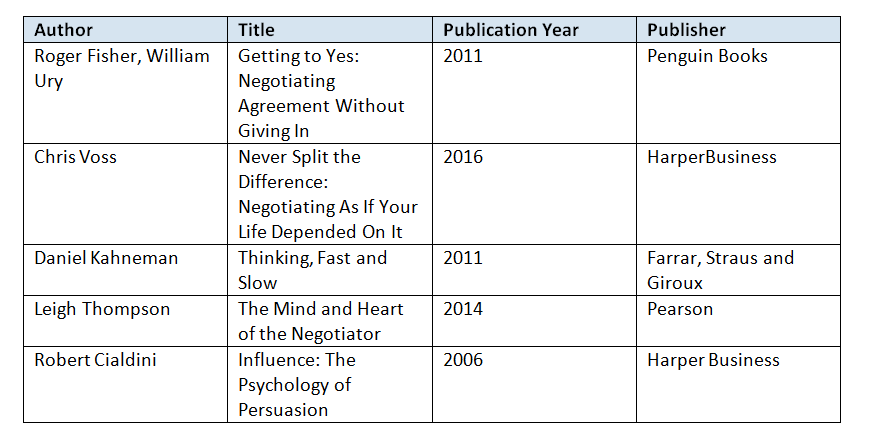
· References
Why Asking Better Questions is a Game-Changer in Negotiation
Negotiation is fundamentally about communication, and communication thrives on information exchange. Asking better questions accelerates this exchange, enabling you to gather critical data about your counterpart’s needs, constraints, and priorities. According to research published in the Journal of Applied Psychology (Thompson, 2015), negotiators who use open-ended questions early in the conversation increase the likelihood of integrative (win-win) outcomes by 30%. This is because open questions encourage counterparts to reveal interests rather than defend entrenched positions.
Beyond information gathering, questions serve as a powerful tool for building rapport and trust. The principle of active listening, rooted in Carl Rogers’ client-centered therapy, underscores that genuine, empathetic questioning validates the other party’s perspective and reduces adversarial tension. When negotiators feel heard, they are more likely to collaborate and consider creative solutions.
In addition, strategic questioning can influence the negotiation’s direction by framing issues subtly and uncovering hidden agendas. For example, anchoring theory (Tversky & Kahneman, 1974) shows that even the way questions are posed can shift counterparts’ expectations and concessions.
Types of Questions and Their Strategic Uses
Understanding the types of questions and their situational uses is foundational for asking better questions in negotiation.
· Open-ended Questions
These questions invite detailed responses and elaboration. Examples: “Can you tell me more about your priorities?” or “How do you see this agreement supporting your goals?” They foster dialogue and surface interests.
· Closed-ended Questions
Yield yes/no or short factual answers. Examples: “Is this your final offer?” or “Do you have authority to approve this?” Useful for confirmation and clarifying specifics.
· Probing Questions
Designed to dig deeper after initial answers. Examples: “Why is that timeline important?” or “What challenges might prevent this solution from working?” They reveal underlying motivations and constraints.
· Hypothetical Questions
Explore potential scenarios to test flexibility. Examples: “If we extended the deadline by two weeks, how would that impact your budget?” or “What if we combined elements from both proposals?” Useful for creative problem-solving.
· Reflective Questions
Mirror or paraphrase the other party’s statements to confirm understanding and encourage elaboration. Example: “You mentioned concerns about delivery speed—can you explain what that means for your team?” Rooted in active listening.
· Leading Questions
Frame responses to steer negotiation subtly. Example: “Wouldn’t it make sense to focus on the quality metrics first?” Should be used cautiously to avoid resistance.
· Scaling Questions
Ask to quantify attitudes or priorities on a scale. Example: “On a scale of 1 to 10, how critical is price compared to delivery time?” Useful for prioritization.
Real-World Example: Using Open and Probing Questions
In a sales negotiation for enterprise software, the seller asked: “What are the biggest pain points your current system presents?” This open question invited detailed feedback about user experience and cost issues. Following the response, the seller probed: “Can you describe how these pain points affect your team’s productivity?” This line of questioning uncovered key operational impacts that the seller later addressed in the proposal, significantly increasing the chances of closing.
Psychological Principles Behind Effective Questioning
Several psychological frameworks explain why certain questions work better in negotiation contexts. Understanding these can help you craft more impactful inquiries.
Practical Application: Using the Socratic Method in Negotiation
When faced with a vague objection like “This proposal is too expensive,” you might ask:
· “Can you help me understand which parts feel costly?”
· “What budget constraints are you working within?”
· “How does this compare to your previous investments?”
This line of questioning respectfully probes assumptions and clarifies issues without confrontation.
Practical Techniques and Scripts for Better Questions
To implement better questioning in negotiations, use structured techniques and tested scripts.
Start broad with open-ended questions, then narrow down to specifics and clarifications. This builds a comprehensive understanding step-by-step.
Example script:
· “Can you describe your ideal outcome from this negotiation?”
· “What are some constraints you face in achieving that?”
· “Who else needs to approve this agreement?”
From Chris Voss’ “Never Split the Difference,” mirroring repeats the last few words your counterpart said, encouraging them to elaborate. Labeling acknowledges emotions or concerns.
Example:
Counterpart: “We’re worried about the delivery timeline.”
You: “The delivery timeline?” (mirroring)
Counterpart: “Yes, if it slips, it disrupts our entire schedule.”
You: “It sounds like timing is a critical risk for you.” (labeling)
Follow-up questions then explore this in-depth.
Use hypothetical questions to explore flexibility and alternatives.
Example: “What if we could improve payment terms—would that help you commit sooner?”
Confirm understanding by asking: “So, if I understand correctly, your main concern is the warranty period—is that right?” This ensures alignment and shows active listening.
Exercise: Prepare Your Question Bank
Before a negotiation, create a list of tailored questions based on the other party’s profile, industry, and known challenges. Use a mix of question types to guide your conversation strategically.
Common Pitfalls and How to Avoid Them
Even skilled negotiators sometimes falter in questioning. Recognizing common errors helps improve your approach.
· Asking Too Many Closed Questions
This can shut down dialogue and limit information flow. Balance with open-ended questions.
· Interrupting or Not Listening Fully
Cutting off answers prevents discovery and damages rapport. Practice patience.
· Asking Leading or Biased Questions Too Early
May cause defensiveness or mistrust. Save leading questions for when rapport is established.
· Overloading with Questions
Rapid-fire questioning feels like an interrogation. Space questions naturally with reflective listening.
· Ignoring Emotional Cues
Failing to address emotional concerns undermines negotiation climate. Use labeling to acknowledge feelings.
Real Example: Avoiding Pitfalls
An executive once asked a client, “You don’t think this price is fair, do you?” The client felt accused and shut down, ending productive dialogue. Instead, the executive should have asked, “How do you feel about the price we proposed?” to invite honest feedback without judgment.
Exercises to Build Your Questioning Muscle
Consistent practice is essential to master better questioning.
Partner with a colleague and simulate negotiations focusing solely on questioning. Practice using different types of questions and active listening techniques.
After meetings or conversations, reflect on the questions you asked. Identify which elicited useful information and which didn’t. Adjust accordingly.
Take common closed questions you use and rewrite them as open-ended or probing questions. For example, change “Is this acceptable?” to “What would make this proposal acceptable to you?”
Record your negotiation or sales calls (with permission) and analyze your questioning style. Note pacing, tone, and question types.
Set weekly goals to use one psychological principle (e.g., active listening or Socratic questioning) in your negotiations and journal outcomes.
Frequently Asked Questions
1. How do I know which type of question to ask during a negotiation?
Choosing the right question type depends on the negotiation phase and objective. Use open-ended questions early to explore interests, probing questions to clarify specifics, and closed questions to confirm details or commitments. Tailor your approach based on the counterpart’s responses and emotional tone.
2. Can asking too many questions backfire?
Yes. Excessive questioning can feel like an interrogation, causing resistance or discomfort. Balance questions with active listening, allow pauses for reflection, and intersperse questions with summaries or statements to maintain rapport.
3. How can I use questions to uncover the other party’s BATNA?
You can ask indirectly by exploring alternatives without seeming confrontational. For example, “What other options are you considering if this doesn’t work out?” or “How urgent is it for you to reach an agreement now?” These questions surface BATNA clues, enabling better negotiation positioning.
4. What role do emotions play in crafting better questions?
Emotions influence negotiation dynamics heavily. Questions that acknowledge feelings (labeling) or explore emotional concerns can reduce tension and build trust. Ignoring emotions risks misunderstandings and stalled talks.
5. How can I practice asking better questions when I don’t negotiate often?
Use role-playing exercises, simulate negotiations with peers, or practice questioning in everyday conversations. Reading negotiation case studies and scripting questions based on scenarios also builds skills without real stakes.
Conclusion
Mastering the art of asking better questions in negotiation is a transformative skill that elevates your ability to uncover critical information, build rapport, and influence outcomes positively. By understanding different question types, leveraging psychological principles, and practicing structured techniques, you position yourself as a thoughtful, empathetic, and strategic negotiator.
Commit to ongoing practice through exercises, reflection, and real-world application. The difference this skill makes will be evident in improved agreements, stronger relationships, and greater confidence at the bargaining table. Start today by preparing your question bank for your next negotiation and watch how it changes the conversation.