How to End a Negotiation Successfully

Negotiation is a dance that requires skill, timing, and a deep understanding of human psychology. While much emphasis is often placed on preparation and the bargaining phase, the end of a negotiation is equally critical. How you conclude a negotiation can determine whether an agreement stands the test of time or unravels shortly after the deal is made. Ending a negotiation successfully means not only securing the best possible terms but also ensuring both parties feel satisfied and committed.
In this comprehensive guide, you will discover actionable strategies for closing negotiations effectively. From recognizing the right moment to use closing techniques to managing last-minute objections and sealing agreements with confidence, this article covers everything you need to master the final phase of negotiation. Whether you are a business professional, salesperson, or anyone looking to enhance your negotiation skills, learning how to end a negotiation successfully will transform your outcomes.
· Introduction to the importance of negotiation endings
· Recognizing the right moment to close
· Proven closing techniques and scripts
· Handling objections and last-minute hurdles
· Psychological principles that influence agreement
· Building commitment and follow-up strategies
· FAQs about negotiation endings and best practices
Understanding the Importance of Ending a Negotiation Successfully
Many negotiators focus heavily on preparation and the core bargaining phase but underestimate how crucial the closing stage is. The final moments of a negotiation carry the weight of the entire process — this is where agreements are solidified, ambiguities cleared, and mutual commitments made. Ending poorly can undo hours or even days of productive dialogue.
A successful negotiation ending achieves three key objectives: it confirms mutual understanding, creates a sense of fairness and satisfaction, and sets the stage for a lasting relationship. For example, in high-stakes business deals, an abrupt or rushed conclusion can leave one party feeling shortchanged, leading to disputes or renegotiations later. Conversely, a thoughtfully crafted ending can foster goodwill and open doors for future collaboration.
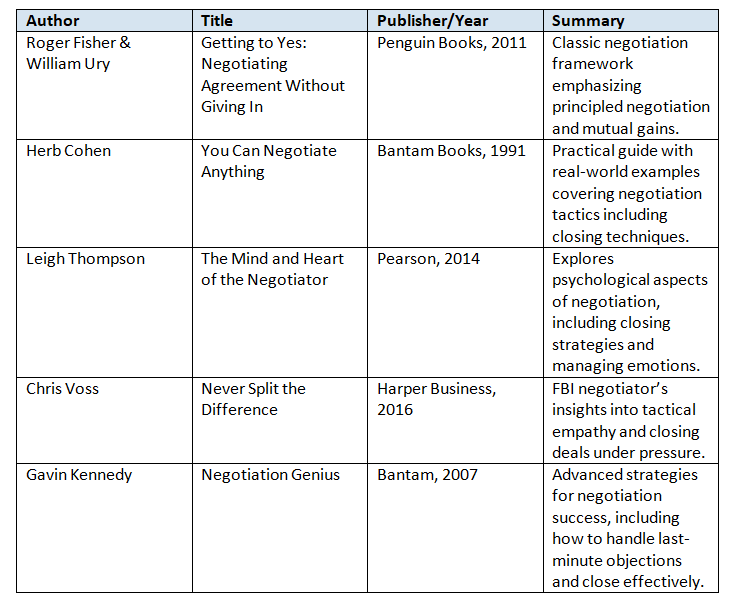
Leading negotiation experts like Roger Fisher and William Ury, authors of "Getting to Yes," emphasize the significance of concluding negotiations on a positive note. Their principle of focusing on interests rather than positions naturally extends to the closing phase, where acknowledging shared goals can cement an agreement.
Recognizing the Right Moment to Close
Timing the close is an art that blends intuition, observation, and strategic thinking. Closing too early can result in leaving value on the table, while waiting too long risks stalling the deal or causing frustration.
· Signs that it’s time to close a negotiation:
· Both parties have clarified their needs and interests
· Key objections have been addressed or resolved
· Parties show verbal or non-verbal agreement signals (e.g., nodding, affirming statements)
· The conversation naturally shifts toward summarizing terms or next steps
Negotiators often use the "summary close" technique at this point. This involves restating agreed points to confirm alignment and gently probing whether the other party is ready to finalize. For instance, a salesperson might say, "To recap, we’ve agreed on the delivery timeline, pricing, and support terms. Is there anything else you’d like to discuss before we move forward?"
Recognizing subtle cues from the other party is essential. Techniques such as active listening and observing body language can reveal readiness. For example, if a client starts discussing implementation details or future collaboration, these are strong indicators they are prepared to close.
Proven Closing Techniques and Scripts
Negotiation experts have developed several closing techniques that help transition the conversation from discussion to agreement. Here are some of the most effective methods:
1. The Assumptive Close
This technique assumes the deal is done and moves forward with next steps. For example:
“Since we’ve agreed on the terms, I’ll prepare the contract for your review by tomorrow.”
The psychological principle behind this is the commitment bias—people are more likely to follow through when they feel progress is already underway.
2. The Alternative Choice Close
Instead of asking a yes/no question, offer two positive options, both leading to a close:
“Would you prefer payment in installments or a one-time payment?”
This reduces decision paralysis and steers the counterpart toward agreement.
3. The Summary Close
Summarize all agreed points clearly and ask for final confirmation:
“To confirm, we’ve agreed on X, Y, and Z. Does that align with your understanding?”
This reinforces clarity and prevents misunderstandings.
4. The “If-Then” Close
Offer a conditional agreement to resolve last-minute objections:
“If we can include a six-month warranty, are you ready to sign today?”
This technique is effective for overcoming final hurdles.
Script Template for Closing a Negotiation:
· “I appreciate the time and effort we’ve both invested in this discussion.”
· “We seem to be aligned on the main points, including [list key terms].”
· “Are there any remaining concerns?”
· “If not, I’ll draft the agreement for us to finalize.”
Real-world example: A real estate agent closing a sale might say, “We’ve agreed on the price and move-in date. Shall I send over the paperwork for your review?”
Handling Objections and Last-Minute Hurdles
Even near the end, negotiations can encounter objections or new concerns. The ability to manage these effectively can mean the difference between closing or losing the deal.
· Listen empathetically without interrupting to fully understand the concern
· Reframe objections as opportunities to clarify or add value
· Use the “Feel, Felt, Found” method: “I understand how you feel. Others have felt similarly, but they found that…”
· Propose creative solutions or compromises that address the issue without derailing the agreement
For example, a supplier facing a last-minute price objection might respond: “I understand your concerns about cost increases. Several clients felt the same initially but found that the added quality and support justified the investment.”
Sometimes, it’s necessary to pause and revisit earlier points or even schedule a follow-up meeting to avoid rushed decisions. Maintaining professionalism and patience during these moments builds trust.
Psychological Principles That Influence Successful Endings
Understanding human psychology can dramatically improve your ability to close negotiations successfully. Here are several principles to leverage:
People feel compelled to reciprocate concessions or goodwill. Offering a small concession near the end can encourage the other party to commit.
Highlighting what the other side might lose by not closing can motivate agreement. For instance, emphasizing limited availability or price changes can create urgency.
Once people commit verbally or in writing, they are psychologically driven to act consistently with that commitment.
Referencing similar deals or endorsements can reassure the counterpart about the fairness and value of the agreement.
How you present the final agreement affects its reception. Framing the deal as a gain (“This will increase your productivity by 20%”) rather than a loss (“You’ll pay more”) leads to better acceptance.
A practical example: In salary negotiations, framing a final offer as an investment in employee growth rather than a cost can ease acceptance.
Building Commitment and Ensuring Follow-Up
Closing the negotiation is not always the final step; ensuring that commitments are honored requires clear follow-up and relationship management.
· Obtain a clear verbal or written agreement summarizing terms
· Agree on next steps, deadlines, and responsible parties
· Send a formal contract or memorandum of understanding promptly
· Schedule a follow-up call or meeting to review implementation
· Maintain open communication channels to address any post-negotiation issues
For instance, after closing a partnership deal, a project manager might send a summary email outlining agreed deliverables and timelines, followed by a kickoff meeting.
Using technology such as digital signatures or project management platforms can streamline this process and reduce misunderstandings.
FAQ: How to End a Negotiation Successfully
1. What is the best way to know when to end a negotiation?
The best indicator to end a negotiation is when all major interests have been addressed and both parties exhibit alignment in verbal and non-verbal cues. Summarizing agreed points and checking for any remaining concerns can confirm readiness. Avoid rushing but be mindful of deadlines or diminishing returns.
2. How can I handle a counterpart who keeps reopening issues at the end?
Use empathetic listening to understand the underlying concerns. Acknowledge the validity of their points and propose a “parking lot” for issues to be resolved post-agreement if they are minor. If critical, consider a short break or a follow-up meeting to prevent stalling the closure.
3. Can I use silence as a tactic when closing a negotiation?
Yes, silence can be powerful. After presenting a closing proposal, pausing allows the other party to process and respond without pressure. This technique leverages the psychological discomfort of silence, often prompting the counterpart to fill the gap with agreement or concessions.
4. What if the other party asks for more concessions at the last minute?
Evaluate whether the request is reasonable and aligned with your objectives. Use conditional offers (“If we agree to this, then…”), and don’t be afraid to say no if the concession jeopardizes your position. Maintain a collaborative tone to preserve goodwill.
5. How do I ensure the deal sticks after the negotiation ends?
Clear documentation, mutual understanding of terms, and agreed follow-up steps are critical. Reinforce commitment by maintaining communication, addressing concerns promptly, and demonstrating reliability. Building rapport throughout the process also fosters long-term trust.
Conclusion
Mastering how to end a negotiation successfully is a vital skill that complements every other phase of negotiation. By recognizing the optimal moment to close, employing effective closing techniques, handling objections with finesse, and leveraging psychological insights, you can secure agreements that satisfy all parties and build lasting relationships.
Remember, the negotiation does not end with a handshake or signature — follow-up and commitment management are equally important to ensure your agreements endure. Start applying these strategies today to transform your negotiation outcomes and become a more confident, effective negotiator.
Mastering how to negotiate is not about tricks — it's about clarity, positioning, and control. If you want to go deeper into advanced negotiation strategies, negotiation psychology, handling objections, and negotiating under pressure, explore our full library of articles designed for professionals operating in high-stakes business environments.