How to Negotiate Under Pressure

Negotiations are challenging under the best of circumstances. When the stakes are high and time is limited, pressure intensifies, making it even harder to think clearly and act strategically. Yet, the ability to negotiate effectively under pressure is a critical skill that can transform outcomes in business, personal interactions, and crisis situations.
Negotiating under pressure matters because decisions made in these moments often carry outsized consequences. Whether closing a multi-million-dollar deal, resolving a conflict in real time, or navigating a tense salary negotiation, pressure can trigger emotional responses that cloud judgment and reduce leverage. But with the right mindset, tools, and techniques, you can harness pressure as an advantage rather than a handicap.
In this comprehensive guide, you will learn proven negotiation strategies designed for high-pressure environments. We will explore psychological principles that help manage stress, practical frameworks for maintaining clarity, and real-world examples illustrating how experts excel when the heat is on. By the end, you will be equipped to negotiate confidently and effectively, no matter how intense the situation becomes.
· Table of Contents
· Understanding Pressure in Negotiation
· Psychological Principles for Staying Calm and Focused
· Preparation Techniques to Reduce Pressure Impact
· Real-Time Strategies for Managing High-Stakes Negotiations
· Communication Tactics to Maintain Control and Influence
· Leveraging Time and Deadlines as Negotiation Tools
· Post-Negotiation Reflection and Learning
· Frequently Asked Questions
Understanding Pressure in Negotiation
Pressure during negotiation arises when there are perceived threats, time constraints, or high consequences attached to the outcome. It can cause cognitive overload, emotional hijacking, and impulsive decisions. Recognizing the sources and effects of pressure is the first step toward mastering negotiation under stress.
Pressure often manifests as a fight-or-flight response, increasing adrenaline and cortisol levels. This physiological reaction narrows focus but can impair complex reasoning and creativity. For example, in hostage negotiations, law enforcement negotiators use calming techniques to counteract stress on both sides, allowing rational dialogue to resume.
· Time pressure — deadlines or forced rapid decisions
· Emotional pressure — fear, anger, or frustration influencing behavior
· Power pressure — imbalance of authority or leverage
· Financial pressure — high monetary stakes or budget constraints
Understanding which type you are facing allows you to tailor your approach. For instance, if time is limited, prioritizing your key objectives becomes crucial. If emotional pressure is high, focusing on emotional regulation techniques helps maintain control.
Real-World Example: The Chrysler Bailout Negotiations
During the 2009 Chrysler bailout talks, negotiators faced extreme time pressure and financial stakes. They used structured agendas and clear priority-setting to keep discussions focused despite the high-stress environment. This example highlights the importance of preparation and clarity in pressured negotiations.
Psychological Principles for Staying Calm and Focused
Staying composed under pressure is largely about managing your psychological state. Several psychological frameworks and techniques facilitate this:
Techniques to Implement
· Practice deep diaphragmatic breathing before and during negotiation to lower heart rate.
· Use positive self-talk to reinforce confidence ("I am prepared and capable").
· Visualize successful negotiation outcomes to boost optimism.
· Pause strategically to avoid impulsive reactions; a few seconds can reset your mindset.
Psychological Script Example
When feeling pressured to concede quickly, use an internal script like: "Let me take a moment to consider this carefully. I want to ensure we reach a fair agreement for both sides." This introduces a pause, signals thoughtfulness, and reduces pressure.
Preparation Techniques to Reduce Pressure Impact
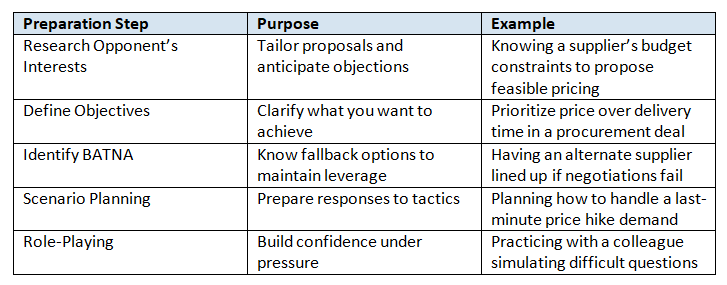
Preparation is the best antidote to pressure. When well-prepared, negotiators feel more confident and secure, which reduces anxiety and improves performance.
· Research thoroughly: Know the other party’s interests, constraints, and alternatives (BATNA - Best Alternative To a Negotiated Agreement).
· Define clear objectives and prioritize them; know your walk-away points.
· Develop multiple negotiation scenarios and responses to potential moves.
· Practice role-playing high-pressure situations to simulate stress and rehearse responses.
The BATNA Framework
Understanding your BATNA is critical. It empowers you to negotiate with confidence because you know your alternatives if the negotiation fails. For example, a job candidate with multiple offers can negotiate salary with greater leverage and less pressure.
Use of Checklists
Checklists ensure you cover essential points systematically, reducing cognitive load during pressure moments.
Real-Time Strategies for Managing High-Stakes Negotiations
Executing under pressure requires maintaining presence of mind and tactical agility.
· Use active listening to gather information and display empathy, reducing adversarial tension.
· Ask calibrated questions to control the flow and uncover hidden interests (e.g., "What are your biggest concerns about this proposal?").
· Employ the "Pause and Probe" technique — pause after proposals to compel the other side to fill silence, often revealing valuable information.
· Stay flexible but firm on critical points. Compromise on less important issues to build goodwill.
· Manage your body language and tone to convey calm and confidence.
Named Techniques
- "I understand how you feel."
- "Others have felt the same way."
- "What they found was that..."
This approach validates emotions and guides the conversation constructively.
Communication Tactics to Maintain Control and Influence
Clear, strategic communication is vital to steering negotiations under pressure.
· Use assertive but respectful language to establish boundaries without escalating conflict.
· Mirror and label emotions to acknowledge feelings without agreeing to demands (e.g., "It seems like you are concerned about the timeline.").
· Frame proposals in terms of mutual gain to appeal to shared interests.
· Manage interruptions politely but firmly to keep the conversation focused.
Sample Script for Maintaining Control
"When I hear that the price is too high, I want to understand what specifically is driving that concern so we can explore options that work for both of us."
This script acknowledges concerns, asks for specifics, and signals collaboration, helping to reduce pressure and build trust.
Leveraging Time and Deadlines as Negotiation Tools
Deadlines often increase pressure but can also be powerful levers if managed properly.
· Set artificial deadlines to accelerate decision-making ("This offer is valid until the end of the day.").
· Use the scarcity principle to increase urgency ("There is limited availability for this product.").
· Recognize when to slow down negotiations to avoid rushed, poor decisions.
· Break complex negotiations into timed phases to create manageable pressure bursts.
Example: Salary Negotiation Under Deadline
A hiring manager might say, "We need to finalize the offer by Friday to meet project timelines." The candidate can respond by requesting clarification on flexibility or asking for time to consider, balancing pressure with due diligence.
Post-Negotiation Reflection and Learning
After the negotiation concludes, especially under pressure, reflection is essential to improve future performance.
· What went well under pressure and what could be improved?
· How effectively did I manage emotional responses?
· Did I maintain clarity on objectives and priorities?
· Were there moments where pressure caused deviation from strategy?
· What feedback or signals from the other party were most influential?
Maintaining a negotiation journal or debriefing with a mentor can help embed lessons learned.
Frequently Asked Questions
How can I stay calm when I feel overwhelmed during negotiation?
Practice mindfulness techniques such as deep breathing and grounding exercises before and during negotiation. Reappraise the situation as a challenge, not a threat, and use strategic pauses to regain composure.
What if the other party applies intense pressure tactics like deadlines or ultimatums?
Recognize these as negotiation tools and avoid being rushed into decisions. Ask clarifying questions to understand their flexibility and consider counter-deadlines or phased agreements to regain control.
How do I prepare for negotiations when I expect high pressure?
Thorough preparation is key: research, define your BATNA, role-play scenarios, and develop clear objectives. Mental rehearsal of managing stress can increase your resilience.
Can emotional intelligence help in negotiating under pressure?
Yes. Emotional intelligence allows you to read the other party’s emotions, manage your own, and respond empathetically, which reduces conflict and builds rapport even in tense situations.
What are some common mistakes to avoid when negotiating under pressure?
Avoid rushing, making concessions too quickly, neglecting your BATNA, and letting emotions drive decisions. Also, don’t ignore nonverbal cues or fail to communicate clearly and assertively.
Conclusion
Negotiating under pressure is an unavoidable reality in many professional and personal contexts. By understanding the nature of pressure, applying psychological principles, and employing strategic preparation and communication techniques, you can transform stressful negotiations into opportunities for success.
Remember, pressure need not be your adversary. With practice and deliberate effort, it can become a catalyst for clarity, creativity, and confident decision-making. Start integrating these strategies today to elevate your negotiation skills and achieve better outcomes under any circumstance.
Take the first step now: identify a high-pressure negotiation you face soon, apply these techniques deliberately, and observe how your performance improves.
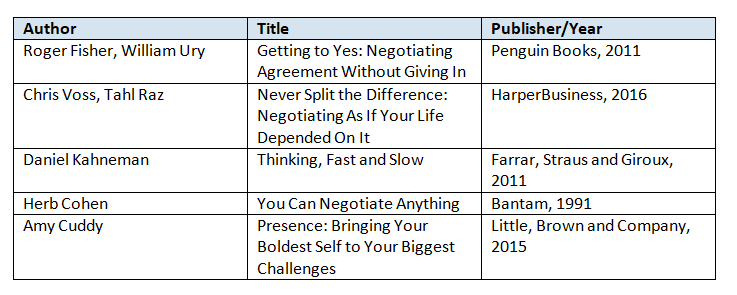
References
Mastering how to negotiate is not about tricks — it's about clarity, positioning, and control. If you want to go deeper into advanced negotiation strategies, negotiation psychology, handling objections, and negotiating under pressure, explore our full library of articles designed for professionals operating in high-stakes business environments.