How to Negotiate When the Other Side Is Aggressive

Negotiating with an aggressive counterpart can feel intimidating and overwhelming. Whether in business deals, salary discussions, or conflict resolution, aggressive tactics can derail conversations and lead to suboptimal outcomes if not managed properly. Yet, aggression often masks underlying fears or strategic posturing rather than genuine hostility. Understanding how to respond effectively rather than react emotionally can turn the tables in your favor.
In this comprehensive guide, you will learn actionable, research-backed strategies to negotiate confidently and successfully when faced with aggression. We will explore the psychology behind aggressive behavior, share time-tested negotiation techniques, and provide scripts and examples to help you maintain control, de-escalate tension, and ultimately reach agreements that satisfy your goals. Mastering these skills is essential for leaders, sales professionals, and anyone who negotiates regularly in high-stakes or adversarial environments.
· Table of Contents
· Understanding Aggressive Behavior in Negotiations
· Preparing Yourself Mentally and Emotionally
· Key Techniques for Managing Aggressive Negotiators
· Communication Strategies to De-escalate Conflict
· Leveraging Psychological Principles for Advantage
· Real-World Examples and Scripts
· FAQs About Negotiating with Aggressive Counterparts
Understanding Aggressive Behavior in Negotiations
Recognizing the roots and forms of aggression is the first step toward effective negotiation. Aggressive behavior in negotiation can range from overt hostility—such as yelling, threats, and ultimatums—to more subtle tactics like intimidation, interruptions, or manipulative silence. Often, aggression is a strategic tool used to create pressure, test boundaries, or establish dominance.
Psychologically, aggressive negotiators may operate from a place of anxiety, insecurity, or a need to control. According to the Dual Concern Model, they prioritize their own outcomes highly and may be less concerned with relationships. Understanding this mindset allows you to anticipate their moves and tailor your responses accordingly.
· **Bluffing and Threatening:** Attempting to scare you into concessions by exaggerating consequences.
· **Bullying and Intimidation:** Using volume, body language, or authority to overwhelm.
· **High-Pressure Tactics:** Imposing tight deadlines or take-it-or-leave-it offers.
· **Personal Attacks:** Undermining confidence through insults or accusations.
By identifying which type you face, you can deploy appropriate strategies rather than reacting emotionally or defensively.
Preparing Yourself Mentally and Emotionally
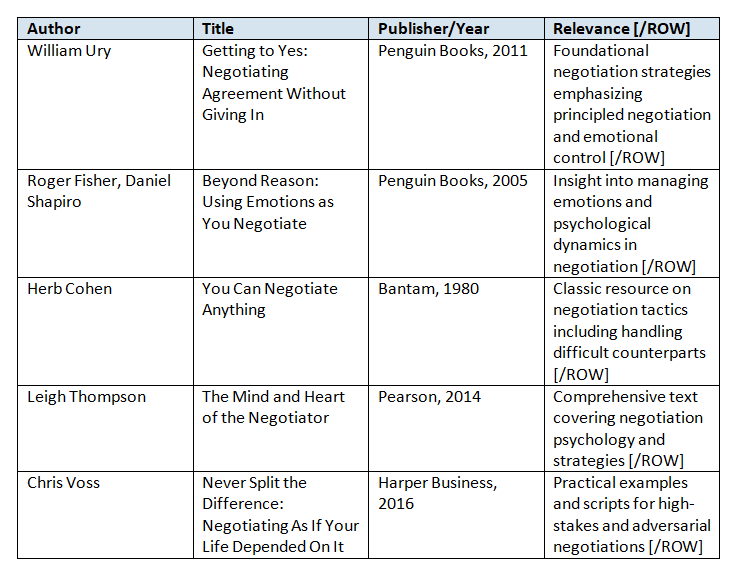
Preparation is crucial when anticipating aggression. Negotiation expert William Ury emphasizes the importance of emotional control and preparation in his book *Getting to Yes*. Before the negotiation, mentally rehearse maintaining calm and detachment, which helps prevent escalation.
· **Know Your BATNA (Best Alternative to a Negotiated Agreement):** Understanding your fallback options strengthens confidence and reduces desperation.
· **Set Clear Objectives and Limits:** Define your goals and your walk-away points to avoid being swayed by pressure.
· **Practice Mindfulness and Breathing Techniques:** These reduce stress responses that aggressive tactics aim to provoke.
· **Develop a Script or Framework:** Prepare how you will respond to common aggressive tactics to avoid being caught off guard.
For example, if your counterpart suddenly raises their voice, a practiced response like "I want to understand your concerns, but let's keep this productive" can defuse tension without conceding.
Key Techniques for Managing Aggressive Negotiators
Several negotiation techniques are especially effective against aggression. Combining assertiveness with empathy is often the best approach.
The "Broken Record" Technique
This involves calmly and persistently repeating your key points or requests irrespective of interruptions or attempts to intimidate. It demonstrates firmness without escalating conflict.
Example:
Counterpart: "You must lower your price by 20%, or we walk."
You: "I understand your budget concerns. Our price reflects the value we provide. We can explore options within that framework."
This repetition discourages further aggressive ultimatums.
"Fogging"
Developed by psychologist Dr. Albert Ellis, fogging involves acknowledging any truth in criticism without becoming defensive, thereby neutralizing attacks.
Example script: "You’re right; the timeline is tight. Let’s focus on how we can manage that challenge together."
Strategic Silence
Silence after an aggressive statement compels the other party to fill the gap, often revealing additional information or softening their stance.
Establishing Boundaries
Politely but firmly stating what behavior is unacceptable sets limits on aggression.
Example: "I want us to find a solution, but I cannot continue this conversation if it becomes disrespectful."
· Other techniques include:
· Redirecting focus to shared interests
· Asking open-ended questions to shift power dynamics
· Using objective criteria to ground discussions
Communication Strategies to De-escalate Conflict
Calm and clear communication reduces tension and promotes collaboration, even with aggressive counterparts.
Example: "It sounds like you're frustrated about the deadlines, and I want to work with you on that."
Example: "I feel concerned when deadlines shift because it impacts our quality."
The Power of Framing
Reframing aggressive demands into collaborative challenges encourages problem-solving.
Example: Instead of "You have to accept this price," try "Let’s explore ways to meet your budget goals while maintaining quality."
Leveraging Psychological Principles for Advantage
Understanding human psychology can transform how you respond to aggression.
Using the "Feel-Felt-Found" Technique
This empathy-based script acknowledges feelings, shares similar experiences, and offers a solution.
Example:
"I understand how you feel about the pricing. Others have felt the same way initially, but they found that our product’s quality saved them money long-term."
Real-World Examples and Scripts
Consider the following scenario involving an aggressive sales negotiation:
The buyer aggressively demands a 30% discount, threatening to take business elsewhere immediately. The seller uses the Broken Record technique:
Seller: "I appreciate your interest in our services. Our pricing reflects the comprehensive support we provide. Let’s explore how we can add value within your budget."
When the buyer raises voice:
Seller: (calm tone) "I want to ensure this conversation is productive for both of us. Let’s focus on finding a solution together."
Later, the seller employs anchoring by presenting a detailed cost-benefit analysis reinforcing the offer's value.
Counterpart: "If you don't accept this salary, we’ll find someone else."
You: "I appreciate the urgency. I’m committed to adding value here, and based on market data, a salary of X reflects my experience and contributions. Let’s work together to find a fair agreement."
This script balances firmness, data, and collaboration.
Frequently Asked Questions About Negotiating with Aggressive Counterparts
1. How can I stay calm when the other party becomes aggressive?
Focus on controlled breathing, mindfulness, and mentally detaching from personal emotions. Preparation and rehearsed responses help maintain composure. Remember, aggression often reflects the other party’s insecurities, not your worth.
2. Should I respond to aggression with aggression?
Usually not. Escalating aggression often leads to deadlock or damaged relationships. Instead, use assertive but calm techniques like fogging and boundary-setting to defuse tension.
3. How do I handle ultimatums or take-it-or-leave-it offers?
Politely ask for more time or information to analyze the proposal. You can respond with, "I understand this is important to you. Let’s discuss how we can find a mutually beneficial solution rather than rushing to a final decision."
4. What if the aggressive behavior turns personal or abusive?
Set clear boundaries and, if necessary, pause or end the negotiation. Professionalism includes protecting your dignity. You can say, "I’m willing to continue this discussion constructively, but personal attacks are unacceptable."
5. How can I build rapport with an aggressive negotiator?
Find common ground early, express empathy for their position, and demonstrate respect. Even aggressive negotiators respond better when they feel heard and understood.
Conclusion
Negotiating with an aggressive counterpart is challenging but manageable with the right mindset, preparation, and techniques. By understanding the psychology behind aggression and employing strategic communication and negotiation tactics, you can maintain control, reduce conflict, and achieve favorable outcomes. Remember, your goal is not to "win" by overpowering but to find solutions that satisfy key interests while preserving professional relationships.
Start applying these strategies today to transform difficult negotiations into opportunities for collaboration and success. Mastering these skills will enhance your confidence and effectiveness in any high-pressure negotiation scenario.
Mastering how to negotiate is not about tricks — it's about clarity, positioning, and control. If you want to go deeper into advanced negotiation strategies, negotiation psychology, handling objections, and negotiating under pressure, explore our full library of articles designed for professionals operating in high-stakes business environments.