How to Negotiate When You Have No Leverage

Negotiation often feels like a game where the player with the most power wins. But what if you find yourself on the weaker side of the table with seemingly no leverage? Whether you are a job seeker negotiating a salary, a startup founder dealing with investors, or a vendor working with a dominant client, lacking leverage can feel like an insurmountable obstacle. However, skilled negotiators know that leverage is not the only determinant of success. With the right tactics, psychological insights, and strategic preparation, you can create influence and achieve favorable outcomes even when the odds seem stacked against you.
This comprehensive guide will walk you through proven strategies to negotiate effectively when you have no apparent leverage. You will learn how to build perceived value, use timing and information to your advantage, apply psychological principles like reciprocity and anchoring, and leverage alternative forms of power often overlooked. By the end of this article, you will possess a toolkit of actionable techniques and real-world examples that empower you to negotiate confidently in any scenario, regardless of your starting position.
· Table of Contents
· Understanding Leverage and Its Role in Negotiation
· Reframing the Negotiation: Creating Perceived Value
· Techniques to Negotiate When You Have No Leverage
· Psychological Principles to Influence Decision-Makers
· Leveraging Timing, Information, and Alternatives
· Real-World Examples and Scripts for No-Leverage Negotiations
· Frequently Asked Questions (FAQ)
· Conclusion and Next Steps
Understanding Leverage and Its Role in Negotiation
Leverage in negotiation refers to the power or advantage one party holds that can influence the outcome. It often comes from alternatives (BATNA – Best Alternative to a Negotiated Agreement), control over scarce resources, or positional power. However, many negotiators mistake leverage as a fixed attribute: either you have it or you don’t. This rigid view can lead to defeatism when you feel disadvantaged.
Leverage is fundamentally about influence. It is the ability to affect the other party’s decisions by controlling what they value or fear. For example, a job candidate has leverage if they have other job offers or unique skills the employer needs. Conversely, a supplier may lack leverage if the buyer has many alternatives.
Negotiation experts like William Ury emphasize that leverage is dynamic and can be created or expanded during negotiation. Even with no clear leverage, you can generate influence through preparation, communication, and strategic behavior. Understanding the types of leverage and how they operate allows you to shift from a passive to an active negotiating stance.
· Positive Leverage – When the other party wants something you control (e.g., a unique product).
· Negative Leverage – When you can impose costs or consequences on the other party (e.g., walking away, threatening alternatives).
· Normative Leverage – When you appeal to standards, fairness, or principles (e.g., market rates, ethical norms).
By recognizing these types, you can identify unconventional leverage points even if you lack obvious bargaining power.
Reframing the Negotiation: Creating Perceived Value
When you have no tangible leverage, the key is to shift the negotiation focus from your weaknesses to the value you bring. Perception often drives decisions more than reality.
Reframing is a cognitive technique that changes how information is perceived. For instance, instead of emphasizing your lack of alternatives, you highlight your unique contributions or potential benefits you offer.
Example: A freelancer negotiating with a large corporate client may lack leverage due to size disparity but can reframe by emphasizing personalized service, speed, or niche expertise unavailable elsewhere.
· Highlight Unique Strengths – Focus on skills, experience, or innovations that differentiate you.
· Align with Their Interests – Show understanding of the other party’s goals and how your proposal supports them.
· Use Social Proof – Reference testimonials, endorsements, or successful outcomes with similar clients.
· Build Credibility – Demonstrate professionalism, reliability, and preparedness to instill confidence.
These approaches increase your perceived value, which can substitute for hard leverage.
Psychological principle: People evaluate options relative to other options. By presenting a higher initial demand or contrasting offer, you can make your actual proposal appear more reasonable.
Example Script: "While many freelancers charge $X for this project, I’m offering a tailored approach at $Y, which brings added value through faster turnaround and dedicated support."
Techniques to Negotiate When You Have No Leverage
Despite lacking leverage, certain negotiation tactics can level the playing field.
1. Build Rapport and Trust
Relationships are foundational to negotiation success. Establishing trust can encourage cooperation even without leverage.
· Use active listening to demonstrate understanding.
· Mirror body language and tone to create subconscious bonding.
· Share small concessions early to signal goodwill.
Example: The “Foot-in-the-Door” technique involves making a small request first, then escalating to larger demands once rapport is established.
2. Ask Open-Ended Questions
Open-ended questions encourage dialogue, reveal underlying interests, and signal collaboration.
Example Questions:
· "What challenges are you facing with this project?"
· "How do you envision success in this partnership?"
· "What criteria are most important in your decision?"
This approach allows you to identify opportunities to create value and tailor your proposals.
3. Use “If-Then” Conditional Offers
Conditional offers demonstrate flexibility and willingness to cooperate, which can be persuasive.
Example Script:
"If you can extend the deadline by two weeks, then I can include additional deliverables at no extra cost."
This technique frames negotiation as problem-solving rather than confrontation.
4. Employ the “Bracketing” Technique
Set your initial offer strategically to anchor the negotiation, even if you lack leverage.
· Start with a realistic but ambitious proposal.
· Use data or market rates to justify your position.
· Prepare to make measured concessions toward your target outcome.
Bracketing steers the negotiation zone closer to your desired result.
5. Use Silence and Pauses
Strategic silence creates pressure for the counterpart to fill the void, often revealing valuable information or softening their stance.
Example: After stating your proposal, remain silent and maintain eye contact. The other party may respond by improving their offer.
Psychological Principles to Influence Decision-Makers
Understanding human behavior is critical when negotiating without leverage. Leveraging cognitive biases and psychological triggers can shift power dynamics.
People feel compelled to return favors. Making small concessions or offering something of value can trigger reciprocal cooperation.
Example: Offering a free consultation or minor discount early in negotiation can encourage the other party to reciprocate with concessions.
The first number put on the table sets a cognitive anchor that heavily influences subsequent negotiation.
Application: Even with no leverage, make the first offer to set expectations favorably.
Once people commit publicly to a position, they tend to act consistently with it.
Tactic: Get the other party to agree to small points or principles early. This makes them more likely to agree to related terms later.
People prefer avoiding losses to acquiring equivalent gains.
Strategy: Frame your proposals in terms of what the counterpart stands to lose by rejecting the offer rather than what they gain.
People look to others’ behavior to guide decisions.
Use testimonials, case studies, or industry norms to validate your position.
Leveraging Timing, Information, and Alternatives
Even without traditional leverage, you can exploit timing, information asymmetry, and alternatives creatively.
Negotiation timing can create leverage by exploiting urgency or deadlines.
Example: If the other party has an impending deadline, you can delay to increase their pressure to agree.
Possessing or acquiring exclusive information can shift power.
Tactics:
· Research extensively to uncover needs, constraints, or pain points.
· Ask questions that reveal hidden priorities.
· Use “good cop, bad cop” or other information-gathering techniques.
Your BATNA is central to leverage but can be developed even when initially weak.
· Expand your options by networking, exploring other markets, or diversifying offers.
· Communicate your alternatives subtly to strengthen your position.
· Even perceived alternatives can increase confidence and influence.
Real-World Examples and Scripts for No-Leverage Negotiations
Example 1: Job Candidate Negotiating Salary Without Offers
Situation: A candidate has no competing offers but wants to negotiate a higher salary.
Strategy:
· Research industry salary benchmarks.
· Emphasize unique skills and long-term contributions.
· Use normative leverage by citing market data.
Script:
"I understand the offer is X, which aligns with the market median for this role. Given my specialized experience in [skill], which I believe will accelerate project outcomes, would you consider a salary closer to Y?"
Example 2: Small Business Negotiating with Large Supplier
Situation: The small business relies heavily on a supplier who has many clients.
Strategy:
· Build rapport and demonstrate reliability.
· Offer to provide testimonials or referrals.
· Use timing leverage by agreeing to longer-term contracts in exchange for better pricing.
Script:
"I value our partnership and am committed to continuing it. If we can agree on a volume discount, I’m prepared to commit to a 12-month supply agreement that offers stability for both of us."
Example 3: Freelancer Negotiating Project Scope with Corporate Client
Situation: Freelancer has no leverage due to many competitors.
Strategy:
· Reframe by highlighting personalized service.
· Use “if-then” offers to add value.
· Use anchoring to set price expectations.
Script:
"If you need the project completed within three weeks, I can prioritize it and include an additional round of revisions at the quoted price. Otherwise, the standard timeline is four weeks."
Frequently Asked Questions (FAQ)
1. Can I negotiate effectively if I have no leverage?
Yes. While leverage helps, effective negotiation relies on preparation, communication, and strategy. Using psychological principles, creating perceived value, and leveraging timing and information can compensate for a lack of traditional leverage.
2. How do I create leverage when I feel powerless?
Focus on building alternatives, researching the other party’s needs, and aligning your offer with their interests. Establishing rapport and demonstrating flexibility also create forms of leverage.
3. What role does preparation play in no-leverage negotiations?
Preparation is critical. Understanding market standards, the other party’s motivations, and your own value proposition enables you to negotiate from a position of knowledge and confidence, which can substitute for leverage.
4. How can I use psychological tactics without appearing manipulative?
Transparency and ethical use are key. Frame tactics like reciprocity or anchoring as ways to clarify value or foster mutual benefit, not to deceive. Building trust ensures long-term relationships.
5. Should I always make the first offer if I have no leverage?
Making the first offer can establish an anchor, but only if you are well-informed and realistic. A poorly timed or unreasonable first offer may backfire. Assess the situation and be prepared to justify your proposal.
Conclusion
Negotiating without leverage is undeniably challenging, but it is far from impossible. By redefining leverage as influence that can be created rather than a fixed asset, you unlock the potential to shape outcomes in your favor. Employing psychological principles, strategic communication, and a deep understanding of both parties’ interests enables you to negotiate effectively even when you feel powerless. The real power lies in preparation, creativity, and emotional intelligence.
Start applying these proven tactics today to transform your negotiation approach. Whether you’re a professional, entrepreneur, or freelancer, mastering negotiation without leverage will enhance your confidence, relationships, and results. Take the first step by identifying your unique value and experimenting with these strategies in your next negotiation.
References
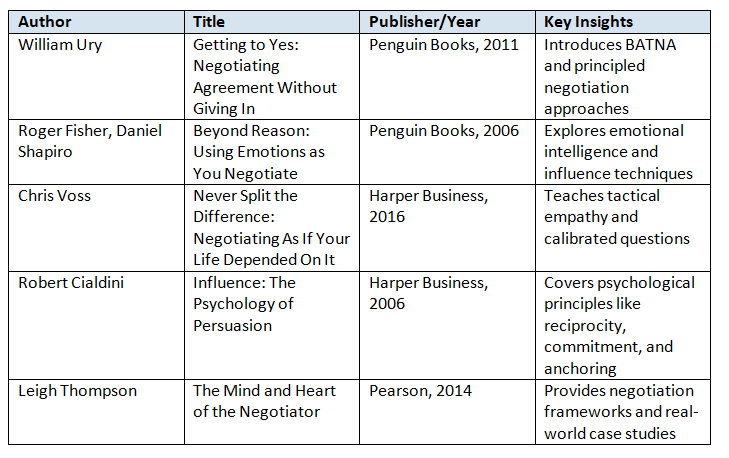
Mastering how to negotiate is not about tricks — it's about clarity, positioning, and control. If you want to go deeper into advanced negotiation strategies, negotiation psychology, handling objections, and negotiating under pressure, explore our full library of articles designed for professionals operating in high-stakes business environments.