How to Negotiate Without Damaging Relationships

Negotiation is an essential skill in both professional and personal contexts. However, many people shy away from negotiating or approach it with apprehension because they fear it might strain or damage their relationships. The truth is, negotiation does not have to be a zero-sum game where one party wins at the expense of the other. When done correctly, negotiation can strengthen relationships, build trust, and create outcomes that benefit all involved.
This article will explore how to negotiate without damaging relationships by emphasizing collaboration, emotional intelligence, and strategic communication. You will learn actionable techniques, backed by psychological principles and real-world examples, that enable you to protect and even enhance your relationships while achieving your negotiation goals. Whether you’re negotiating a salary, a contract, or a personal conflict, these insights will help you navigate the process skillfully and ethically.
· Table of Contents
· Understanding the Foundations of Relationship-Preserving Negotiation
· Preparing for Negotiation with Relationship Goals in Mind
· Communication Techniques to Maintain Respect and Rapport
· Applying Emotional Intelligence in Negotiations
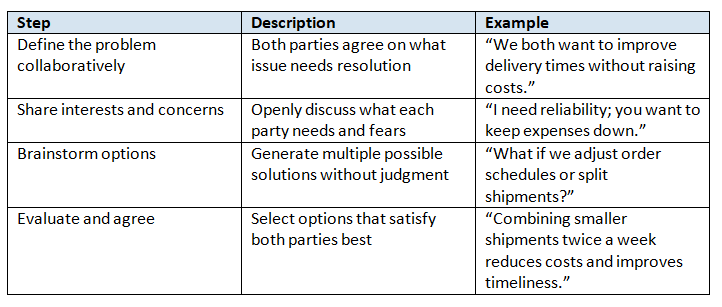
· Collaborative Negotiation Strategies and Frameworks
· Overcoming Common Challenges Without Burning Bridges
· Real-World Examples and Negotiation Scripts
· Frequently Asked Questions (FAQ)
· Conclusion and Next Steps
Understanding the Foundations of Relationship-Preserving Negotiation
Before diving into specific tactics, it’s crucial to understand the philosophy and principles underpinning negotiation that respects and maintains relationships. Negotiation is often mistakenly viewed as a battle, but it can be re-framed as a cooperative problem-solving process.
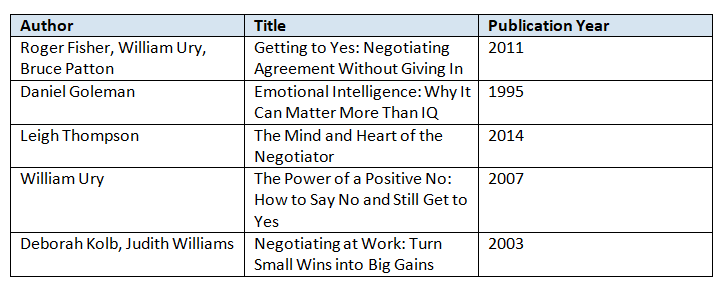
One of the foundational concepts is interest-based negotiation, also called integrative negotiation. Developed by Roger Fisher and William Ury in the seminal book *Getting to Yes*, this approach focuses on the underlying interests of each party rather than their positions. For example, instead of arguing over a fixed price (position), the parties explore why that price matters and what alternatives or value can be created.
By focusing on interests, negotiators can uncover shared goals or complementary needs. This reduces adversarial tension and opens the door for solutions that satisfy both sides.
Trust is the currency of relationship-preserving negotiation. Without trust, parties become defensive and less willing to share information or make concessions. Respectful behavior — including active listening, validating others’ perspectives, and avoiding personal attacks — is essential to maintaining trust.
Psychological research shows that people remember how they are treated more than the outcome itself. A fair and respectful negotiation experience increases the chances of future collaboration.
Approaching negotiation with a win-win mindset means seeking outcomes where all parties feel they have gained value. This mindset encourages creativity and openness, rather than rigid demands. It also reduces the likelihood of resentment or damaged relationships after the negotiation ends.
Preparing for Negotiation with Relationship Goals in Mind
Preparation is critical to any successful negotiation, and when preserving relationships is a priority, preparation must include relational considerations.
Start by defining your goals clearly, but also identify which points you can be flexible about. This flexibility allows you to make concessions that don’t harm your core interests but demonstrate goodwill.
Invest time in understanding the other party’s likely interests, needs, and constraints. This can be done through background research, asking open-ended questions before formal negotiation, or using mutual contacts.
Knowing what matters most to the other party allows you to propose solutions that address their priorities, increasing the chance of agreement without conflict.
Set explicit relationship objectives. For example, you might decide that maintaining trust and open communication is more important than winning a small financial concession. These objectives guide your behavior during negotiation.
BATNA stands for Best Alternative to a Negotiated Agreement, a concept popularized by Fisher and Ury. Knowing your BATNA gives you confidence and leverage but must be used carefully to avoid threatening or undermining the relationship. Instead of using BATNA as a weapon, use it as a benchmark for what is acceptable.
Communication Techniques to Maintain Respect and Rapport
Effective communication is the linchpin of negotiation, especially when relationships are at stake.
Active listening involves fully concentrating, understanding, responding, and remembering what the other party says. Techniques include:
· Paraphrasing their statements to confirm understanding (“So what I hear you saying is…”)
· Avoiding interruptions
· Using nonverbal cues like nodding and eye contact
Active listening signals respect and helps defuse tension.
Communicate your needs and concerns without blaming or accusing by using “I” statements. For example, say, “I feel concerned about the timeline because…” rather than “You are delaying the project.”
This reduces defensiveness and keeps the conversation constructive.
Questions like “Can you tell me more about your priorities?” or “What challenges are you facing?” invite dialogue and show genuine interest. They also provide valuable information to find mutually satisfying solutions.
Your tone of voice and body language convey as much as your words. Maintain a calm, friendly tone and open posture to foster rapport.
Sample Script for Opening a Relationship-Preserving Negotiation
“Thank you for taking the time to meet today. I want to make sure we find a solution that works well for both of us and maintains the great working relationship we’ve had. Could we start by sharing what’s most important to each of us?”
Applying Emotional Intelligence in Negotiations
Emotional intelligence (EI) is the ability to recognize, understand, and manage your own emotions and those of others. It plays a critical role in negotiating without damaging relationships.
Be aware of your emotional triggers and reactions during negotiation. For example, if you notice frustration rising, take a moment to breathe before responding. This prevents emotional escalation.
Try to understand the other party’s feelings and perspectives. Empathy builds connection and trust. For example, acknowledging the stress your counterpart might be under can create a sense of partnership.
Managing your emotions ensures you maintain composure and professionalism. Techniques include deep breathing, pausing before responding, and reframing negative thoughts.
Use emotional intelligence to build rapport, resolve conflicts, and influence outcomes positively. For example, mirroring the other person’s communication style subtly can increase their comfort level.
Psychological Principle: The Reciprocity Norm
People tend to respond in kind to positive behavior. Demonstrating empathy, openness, and concessions can encourage the other party to reciprocate, fostering cooperation rather than competition.
Collaborative Negotiation Strategies and Frameworks
Several negotiation frameworks emphasize collaboration and relationship preservation.
1. Separate the people from the problem
2. Focus on interests, not positions
3. Generate options for mutual gain
4. Insist on objective criteria
These principles guide negotiators to avoid personalizing disagreements and seek fair solutions.
Instead of dividing existing resources, look for ways to create additional value. For example, in a business contract negotiation, offering bundled services or extended support can enhance value for both parties.
Concessions demonstrate flexibility and goodwill but should be planned. Use the “Concession Ladder” technique—start with small, less costly concessions to build trust before larger ones.
Overcoming Common Challenges Without Burning Bridges
Negotiations can encounter obstacles that threaten relationships if not handled deftly.
Use the “Broken Record” technique: calmly and consistently repeat your key message without escalating. For example, “I understand your concerns. Our priority is to find a solution that works for both of us.”
Avoid matching aggression with aggression. Instead, maintain calm and redirect conversation to interests.
When stuck, propose a break or bring in a neutral third party or mediator. This shows commitment to resolution without forcing concessions.
If emotions flare, acknowledge feelings (“I see this is frustrating”) and suggest pausing or changing the topic temporarily.
Be sensitive to cultural variations in communication styles, decision-making, and conflict resolution. For example, some cultures prioritize harmony and indirect communication. Adjust your approach accordingly to avoid misunderstandings.
Real-World Examples and Negotiation Scripts
Learning from real examples clarifies how to apply theory in practice.
Jane wanted a raise but feared alienating her manager. She prepared by researching market salaries and understanding the company’s budget constraints. In the meeting, she used “I” statements and expressed appreciation for her manager’s support:
“Thank you for supporting my growth here. Based on my research and contributions, I’d like to discuss adjusting my salary to align with industry standards. I’m open to finding a solution that fits the team’s budget.”
Her manager appreciated the respectful tone and collaborative stance, leading to a raise discussion rather than a flat rejection.
A client and vendor disagreed over pricing. Instead of hard bargaining, they used the “Expand the Pie” method by adding value through extended service hours and training rather than price cuts. This preserved the relationship and created more benefits for both.
Negotiation Script Template for Relationship Preservation
“Before we dive into specifics, I want to acknowledge the positive relationship we have and my hope to continue working constructively. Let’s share what’s most important to each of us so we can find the best solution. I’m committed to being transparent and open to your ideas.”
Frequently Asked Questions (FAQ)
1. Can negotiation ever harm a relationship if both parties are well-intentioned?
Yes, even well-intentioned negotiations can cause strain if communication is poor or if parties focus solely on winning. That’s why using relationship-preserving techniques like active listening and focusing on interests is critical.
2. How do I handle a negotiation when the other party is aggressive or disrespectful?
Maintain your composure and use techniques such as the “Broken Record” to calmly restate your points. Avoid matching aggression and attempt to steer the conversation back to shared interests. If necessary, suggest a break or mediation.
3. What if my BATNA is weak? Does that mean I should concede more?
Not necessarily. Even with a weak BATNA, you can focus on creating value through collaboration and exploring interests. Concessions should be strategic and balanced with maintaining your core needs.
4. How important is emotional intelligence in negotiation?
Extremely important. Emotional intelligence helps you manage your own reactions and understand the other party’s emotions, which is essential to maintaining trust and resolving conflicts constructively.
5. Can these techniques be applied in personal negotiations, like with family or friends?
Absolutely. The principles of respect, active listening, and focusing on interests apply equally in personal contexts and can help prevent hurt feelings and preserve close relationships.
Conclusion
Negotiating without damaging relationships is both an art and a science. By adopting a mindset focused on collaboration, preparing thoughtfully, communicating with respect, and applying emotional intelligence, you can achieve agreements that serve your interests while strengthening your connections with others. These skills pay dividends over time, fostering trust and opening doors to future opportunities.
Start applying these strategies today—whether in the workplace or in your personal life—and experience how negotiation can become a constructive, relationship-enhancing dialogue rather than a source of conflict. Remember, the goal is not just to reach an agreement but to do so in a way that builds lasting partnerships.