Mistakes That Destroy Negotiation Skills

Mastering negotiation is essential in today’s complex business and personal environments. Yet, even experienced negotiators sabotage their success through common, avoidable mistakes. Understanding these pitfalls is crucial for anyone looking to enhance their influence, secure better deals, and build lasting relationships.
Negotiation is not just about persuasion; it’s a nuanced process involving psychology, strategy, and communication. When mistakes creep in—whether due to cognitive biases, poor preparation, or ineffective communication—they erode trust, reduce leverage, and lead to suboptimal outcomes. This article explores the most damaging errors negotiators make and offers evidence-based insights and practical exercises to elevate your negotiation skills.
By the end of this guide, you will recognize the key behaviors that undermine negotiations, understand the underlying psychological principles, and develop actionable techniques to avoid these errors. Whether you are a corporate executive, sales professional, or entrepreneur, you will gain tools to negotiate with confidence and achieve superior results.
· Table of Contents
· Overconfidence and Underpreparation
· Ignoring BATNA and Alternatives
· Poor Listening and Communication Habits
· Anchoring Bias and Fixed Mindset
· Emotional Reactivity and Lack of Control
· Neglecting Relationship Building
· Failure to Adapt Strategies and Closing Techniques
· Frequently Asked Questions
· Conclusion
· References
Overconfidence and Underpreparation
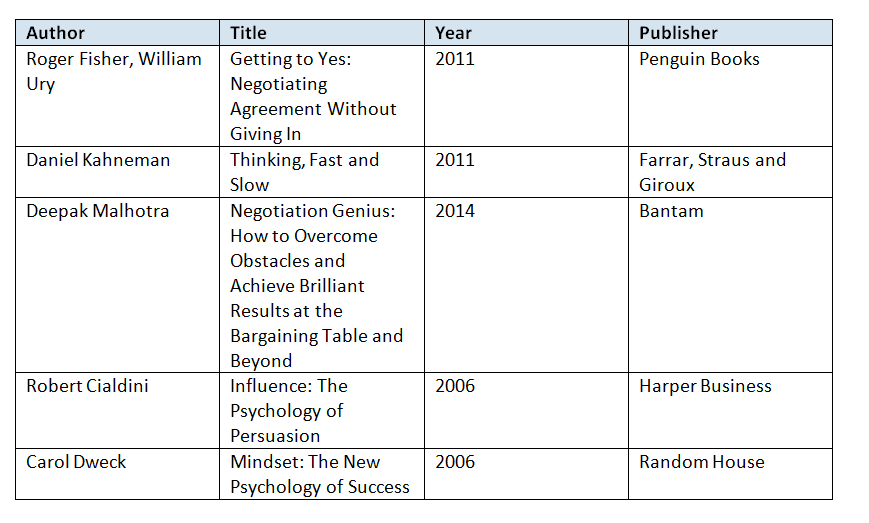
One of the most common mistakes that destroy negotiation skills is entering a negotiation overconfident and underprepared. Overconfidence bias, described extensively by behavioral economists like Daniel Kahneman, leads negotiators to underestimate their counterpart’s power or the complexity of the deal. It also causes them to neglect critical facts and alternative options.
Preparation is the cornerstone of effective negotiation. Without detailed research on the other party’s interests, constraints, and priorities, negotiators cannot craft compelling proposals or anticipate objections. Harvard Business School professor Deepak Malhotra emphasizes the role of thorough preparation in his negotiation framework, highlighting that “knowledge is your most potent leverage.”
Failing to prepare also manifests in weak goal-setting. Negotiators who do not clearly define their objectives, minimum acceptable terms, and fallback positions risk conceding too early or pushing too hard. This often results in deals that leave value on the table or negotiations that collapse prematurely.
Practical Exercise: Preparation Checklist
· Research the other party’s business, needs, and negotiation style
· Define your Best Alternative to a Negotiated Agreement (BATNA)
· Set clear goals: target price, walk-away point, and priorities
· List potential concessions and their relative value
· Anticipate objections and prepare responses
By committing to this checklist before every negotiation, you reduce the risk of overconfidence and build a foundation for success.
Ignoring BATNA and Alternatives
The concept of BATNA, introduced by Roger Fisher and William Ury in *Getting to Yes*, is fundamental but often overlooked. BATNA represents your best alternative if the negotiation fails. Ignoring or poorly assessing your BATNA drastically weakens your negotiation power.
Negotiators who do not understand their alternatives become overly dependent on reaching an agreement, which can lead to accepting unfavorable terms or making unnecessary concessions. Conversely, misjudging the counterpart’s BATNA can cause you to misread their willingness to walk away, resulting in strategic errors.
Research in decision sciences shows that negotiators with a strong, well-understood BATNA consistently achieve better outcomes. This is because knowing your alternatives allows you to negotiate from a position of strength and confidence.
Real-World Example: Salary Negotiation
Consider a job candidate negotiating salary without a clear BATNA. If the candidate has no backup offers or options and does not recognize this, they may accept a lower salary out of fear of losing the offer. Conversely, a candidate with multiple offers or a freelance option can negotiate assertively, knowing they can walk away if demands are unmet.
Practical Exercise: BATNA Identification
· List all possible alternatives if the negotiation fails
· Evaluate the value and feasibility of each alternative
· Determine your reservation point based on your best alternative
· Research and hypothesize the counterpart’s BATNA
This exercise clarifies your leverage and informs your negotiation strategy.
Poor Listening and Communication Habits
Negotiation is fundamentally a communication process, yet many negotiators fail to listen actively and communicate effectively. Studies in organizational psychology show that active listening—demonstrated through paraphrasing, asking open-ended questions, and empathetic responses—increases trust and uncovers underlying interests.
Poor communication often manifests as interrupting, talking too much, or failing to clarify ambiguous points. These habits reduce rapport, cause misunderstandings, and increase conflict. The psychological principle of mirroring, where negotiators subtly mimic the body language or speech style of their counterpart, can help build connection but is rarely used consciously.
· Common communication mistakes in negotiation:
· Dominating the conversation without soliciting input
· Ignoring nonverbal signals such as facial expressions or tone
· Failing to summarize or confirm understanding
· Using aggressive or confrontational language
Practical Exercise: Active Listening Role Play
Pair with a colleague and practice the following script in a negotiation scenario:
· Speaker A states their position
· Speaker B paraphrases what was said and asks a clarifying question
· Speaker A confirms or corrects the paraphrase
· Repeat for several exchanges
This exercise develops attentiveness and ensures mutual understanding.
Anchoring Bias and Fixed Mindset
Anchoring is a cognitive bias where the first number or offer presented sets a reference point that influences subsequent judgments. Negotiators who fail to recognize anchoring effects may accept initial offers too readily or become fixated on a specific price or term, ignoring creative alternatives.
The fixed mindset, a term coined by Carol Dweck, compounds this problem. Negotiators with a fixed mindset believe their abilities or positions are static and unchangeable, limiting their flexibility and willingness to explore integrative solutions.
Research in negotiation strategy advocates for a growth mindset and deliberate reframing of anchors. Techniques such as setting your own anchor early, making multiple counteroffers, or shifting the discussion from price to value can neutralize anchoring effects.
Real-World Example: Real Estate Negotiation
In real estate, the listing price often serves as an anchor. Buyers who fixate on this number may miss opportunities to negotiate repairs, closing costs, or other terms. Savvy negotiators re-anchor by presenting market data or highlighting property flaws to shift the reference point.
Practical Exercise: Reframing Anchors
· Practice setting your own anchor before hearing the other party’s offer
· Develop multiple proposals highlighting different value elements (price, delivery, service)
· Use questions to challenge the anchor, e.g., “How did you arrive at that figure?”
· Role-play negotiation scenarios focusing on flexibility and creativity
Emotional Reactivity and Lack of Control
Negotiations are often high-stakes and emotionally charged. However, negotiators who react impulsively or let emotions dictate their behavior risk damaging outcomes. Emotional reactivity can manifest as anger, frustration, or defensiveness, which undermines rapport and clouds judgment.
The dual-process theory in psychology explains that emotional (System 1) responses are fast and automatic but often biased, while rational (System 2) responses are slower and deliberate. Skilled negotiators recognize these dynamics and practice emotional regulation techniques to maintain composure.
Mindfulness, breathing exercises, and preparation for emotionally triggering topics can reduce reactivity. Cognitive reframing—viewing negotiations as problem-solving rather than conflict—also helps maintain a calm, collaborative stance.
Practical Exercise: Emotional Regulation in Negotiation
· Before negotiation, identify your emotional triggers related to the topic
· Practice deep breathing or grounding techniques during breaks
· Use a mental cue phrase like “Stay curious, not defensive”
· Reflect post-negotiation on moments of emotional challenge and how you managed them
Neglecting Relationship Building
Focusing solely on immediate outcomes while ignoring relationship dynamics is a critical mistake. Negotiations that overlook trust and rapport tend to produce short-term wins but long-term losses. Trust enables information sharing, creative problem-solving, and smoother future interactions.
Psychologist Robert Cialdini’s principle of liking suggests that people are more likely to concede or collaborate with individuals they like and trust. Building relationships requires empathy, consistency, and demonstrating genuine interest beyond the transaction.
· Strategies to build relationships during negotiation:
· Begin with informal conversation to establish rapport
· Express appreciation and acknowledge the counterpart’s perspective
· Seek win-win solutions that create shared value
· Follow up post-negotiation to maintain connection
Real-World Example: Long-Term Vendor Negotiations
A procurement manager who focuses only on cutting costs risks supplier resentment and reduced service quality. By investing time in relationship building, the manager fosters partnership, enabling joint innovation and flexible terms over time.
Failure to Adapt Strategies and Closing Techniques
Negotiation is dynamic; rigid adherence to one strategy or script often leads to stalemate or failure. Experienced negotiators adapt their approach based on the context, counterpart’s style, and evolving information.
For instance, some situations call for distributive bargaining (win-lose), while others benefit from integrative bargaining (win-win). Knowing when to use persuasion tactics such as foot-in-the-door, door-in-the-face, or the scarcity principle can influence outcomes effectively.
Closing techniques also require finesse. Pressuring the counterpart prematurely or ignoring their readiness signals can backfire. Instead, negotiators should recognize verbal and nonverbal cues indicating willingness and use trial closes to test agreement.
Practical Exercise: Strategy Flexibility Drill
· Analyze past negotiations and identify moments you stuck to one approach despite resistance
· Role-play scenarios requiring a shift from competitive to collaborative tactics
· Practice various closing questions, e.g., “Does this solution meet your needs?” or “What concerns remain?”
· Debrief with a partner on effectiveness and alternative strategies
This flexibility enhances resilience and success in diverse negotiation contexts.
Frequently Asked Questions
1. What is the single biggest mistake that destroys negotiation skills?
The most detrimental mistake is poor preparation combined with overconfidence. Without thorough research and realistic assessment of alternatives, negotiators enter discussions unarmed, making them vulnerable to unfavorable outcomes.
2. How can I improve my listening skills during negotiations?
Improving listening involves practicing active listening techniques: focus fully on the speaker, avoid interrupting, paraphrase to confirm understanding, and ask open-ended questions to explore interests deeply. Role-playing and feedback help develop these habits.
3. Why is understanding BATNA so important?
BATNA defines your fallback position if a deal cannot be reached. Knowing your BATNA provides leverage, confidence, and clarity on when to walk away. It also helps you evaluate offers objectively and prevents settling for less than you deserve.
4. How do emotions affect negotiation outcomes?
Emotions can both help and hinder negotiations. Positive emotions build rapport and trust, while negative emotions like anger or frustration can cause impulsive decisions and breakdowns. Emotional regulation techniques enable you to stay composed and strategic.
5. Can negotiation skills be learned, or are they innate?
Negotiation skills are largely learnable and improvable. While some individuals may have natural aptitude, research shows that training, practice, and reflective learning significantly enhance negotiation effectiveness over time.
Conclusion
Avoiding these common mistakes is pivotal for anyone serious about mastering negotiation. Overconfidence, poor preparation, ignoring alternatives, ineffective communication, cognitive biases, emotional reactivity, neglecting relationships, and inflexibility all undermine your ability to secure optimal agreements. By understanding the psychological and strategic foundations behind these errors, you gain the insight necessary to transform your negotiation approach.
Commit to ongoing skill development through deliberate practice, self-reflection, and application of proven frameworks like BATNA analysis, active listening, and emotional regulation. Elevate your negotiation skills now to unlock greater influence, stronger partnerships, and more successful outcomes in every deal.
Take the first step today: review your recent negotiations, identify any mistakes outlined here, and implement one practical exercise from this guide in your next negotiation.