Negotiation Tactics Used by Buyers in B2B

In today’s hyper-competitive B2B landscape, buyers hold unprecedented leverage to shape deals that maximize value and minimize risk. Picture a procurement director at a Fortune 500 company navigating multiple suppliers for a multimillion-dollar technology contract. Every dialogue, concession, and strategic pause they wield can save millions or unlock terms that directly impact the company’s bottom line. Understanding the negotiation tactics buyers use in B2B is no longer a luxury—it is a necessity for sales teams, procurement professionals, and business leaders alike.
As markets grow more complex and buyers become savvier, sellers must anticipate and adapt to these tactics to protect margins and build lasting partnerships. This comprehensive guide will dive deeply into the psychology, frameworks, and tactics buyers deploy during negotiations. You will learn how buyers prepare, position, and execute strategies such as BATNA, anchoring, and the use of deadlines. We will also explore practical scripts, real-world examples, and measurement techniques that empower you to decode buyer behaviors and respond effectively.
By mastering these negotiation tactics, sellers can better align their approach, safeguard value, and convert more complex deals into win-win outcomes. Whether you are a sales executive, procurement specialist, or negotiation consultant, this pillar page will serve as your definitive resource to navigate the intricacies of B2B buyer negotiations.
· Table of Contents
· Understanding Buyer Mindset in B2B Negotiations
· Preparation and Research: The Foundation of Buyer Strategy
· Key Negotiation Frameworks Used by Buyers
· Common Buyer Tactics and How They Work
· Scripts and Dialogue Examples for Buyer Negotiations
· Measuring Success: Metrics That Matter in Buyer Negotiations
· Frequently Asked Questions
Understanding Buyer Mindset in B2B Negotiations
Effective negotiation starts with understanding the buyer's perspective. Unlike individual consumer negotiations, B2B procurement involves multiple stakeholders, formal approval processes, and stringent compliance requirements. Buyers focus on reducing risk, ensuring vendor reliability, and achieving optimal price-to-value ratios.
Buyers often have internal mandates to demonstrate cost savings or value creation, which drives their negotiation approach. Psychological principles such as loss aversion and anchoring significantly influence buyer behavior. For example, a buyer anchored on a competitor’s lower price will negotiate aggressively to meet or beat that figure, even if it compresses supplier margins.
By recognizing these internal drivers and psychological factors, sellers can better predict buyer moves and tailor counter-strategies accordingly.
Multiple Stakeholders and Decision Layers
B2B buyers rarely negotiate alone. Cross-functional teams from finance, legal, operations, and technical departments influence the process. This multi-layered decision-making often results in longer cycles and complex negotiation dynamics.
Buyers frequently use the “divide and conquer” tactic — engaging different vendor contacts to extract maximum concessions. Understanding stakeholder priorities and aligning communication is critical to navigating these layers.
Preparation and Research: The Foundation of Buyer Strategy
Buyer negotiation tactics are underpinned by rigorous preparation. Top procurement teams spend weeks gathering market intelligence, benchmarking pricing, and analyzing supplier performance histories before entering negotiations.
· Supplier financial health and capacity
· Competitive pricing and contract terms in the market
· Historical supplier performance and service levels
· Internal stakeholder requirements and constraints
· Potential BATNAs (Best Alternatives to a Negotiated Agreement)
Preparation allows buyers to define their ZOPA (Zone of Possible Agreement) precisely and identify walk-away points. It also informs the initial offer or anchor they present in negotiations.
Tools and Technologies Enhancing Buyer Preparation
Modern procurement teams increasingly use advanced analytics platforms and AI-driven supplier risk assessments to augment traditional research. These tools enable more accurate forecasting of supplier behaviors and negotiation outcomes.
Key Negotiation Frameworks Used by Buyers
B2B buyers apply proven frameworks and concepts to structure their negotiation strategies. Understanding these frameworks helps sellers anticipate tactics and prepare appropriate responses.
Buyers identify their BATNA to establish their negotiation power. A strong BATNA empowers buyers to push harder, knowing they have viable alternatives if talks fail.
The ZOPA defines the overlap between buyer’s maximum price and supplier’s minimum price. Buyers seek to narrow this zone through anchoring or by uncovering supplier cost flexibility.
Buyers often open with an aggressive anchor — a low initial offer — to set the negotiation baseline. This psychological tactic influences suppliers’ perception of reasonable pricing.
Buyers might start with small concessions to build momentum and gradually extract larger commitments.
Applying the Frameworks: Scenario Example
Consider a buyer negotiating for enterprise software licenses. They begin with a low anchor price tied to competitor quotes (anchoring), backed by a strong BATNA of switching vendors. The buyer also sets incremental milestones for discounts (foot-in-the-door), ensuring incremental value extraction. The supplier’s goal is to identify the ZOPA and offer value beyond price, such as service guarantees or integration support.
Common Buyer Tactics and How They Work
Buyers use a variety of tactical maneuvers during negotiations to maximize their advantage. Recognizing these tactics enables sellers to respond strategically rather than reactively.
· Lowballing: Presenting an unrealistically low offer to test supplier limits.
· Good Cop/Bad Cop: Using two negotiators with contrasting tones to pressure concessions.
· Deadline Pressure: Creating artificial time constraints to force quicker decisions.
· Nibbling: Requesting small additional concessions toward the end of the deal.
· Silence and Pausing: Using strategic pauses to create discomfort and prompt offers.
· Multiple Quote Leverage: Pitting suppliers against each other with competing bids.
Buyer: “We need to finalize terms by Friday to meet our implementation timeline. Is there flexibility on your pricing if we close by then?”
Supplier: “We can consider a discount if we can finalize today.”
Buyer: “Great, let’s work through those details now.”
This tactic leverages urgency to accelerate agreement, but skilled sellers probe the deadline’s authenticity before conceding.
Psychological Levers Behind Buyer Tactics
Many buyer tactics exploit cognitive biases such as commitment consistency, reciprocity, and scarcity. For example, nibbling relies on prior concessions creating a psychological obligation to comply with additional requests.
Scripts and Dialogue Examples for Buyer Negotiations
Having ready-to-use scripts helps buyers maintain control and professionalism during negotiations. Below are sample dialogue templates illustrating common tactics.
Buyer: “Based on our market analysis, we believe a price around $X per unit is fair given current conditions. How can you align with that?”
Buyer: “We’re also evaluating Vendor B, who offers similar specs at 10% less. What can you do to match or beat that?”
Buyer: “Our board requires contract approval by next week. Are you able to meet that timeline with final pricing?”
Bad Cop: “The initial prices are way beyond our budget; we can’t proceed like this.”
Good Cop (Buyer’s colleague): “Let’s explore how we can bridge this gap with flexible terms or phased payments.”
These scripts illustrate how buyers combine pressure and collaboration to extract concessions while preserving relationships.
Measuring Success: Metrics That Matter in Buyer Negotiations
Quantifying negotiation outcomes is essential for continuous improvement. Buyers track metrics to assess effectiveness and inform future strategies.
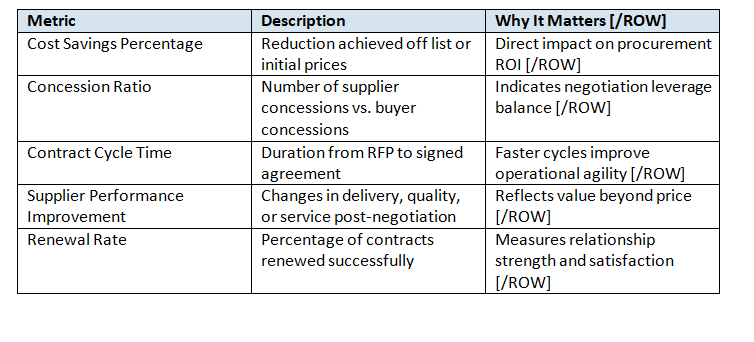
By analyzing these metrics, buyers can refine negotiation tactics, identify training needs, and better forecast supplier responses.
Frequently Asked Questions
What is the most effective negotiation tactic buyers use in B2B?
The most effective tactic depends on context, but establishing a strong BATNA combined with thorough market research consistently empowers buyers to negotiate from a position of strength.
How do buyers use anchoring to influence B2B negotiations?
Buyers anchor negotiations by presenting an initial offer that sets a psychological baseline, steering subsequent discussions toward their desired price range.
Can sellers counter deadline pressure tactics effectively?
Yes. Sellers should verify the deadline’s legitimacy, propose alternative timelines if necessary, and avoid conceding purely due to time constraints.
What role does multi-stakeholder involvement play in buyer tactics?
Multiple stakeholders complicate negotiations by introducing diverse priorities, requiring buyers to manage internal alignment while leveraging different perspectives externally.
How can sellers prepare for common buyer tactics like nibbling or good cop/bad cop?
Sellers can prepare scripts to identify these tactics, maintain firm boundaries on concessions, and use questioning to uncover underlying interests rather than reacting to pressure.
Conclusion
Mastering the negotiation tactics used by buyers in B2B settings is critical for sellers aiming to protect margins and build sustainable partnerships. Buyers approach negotiations with rigorous preparation, psychological insight, and strategic frameworks such as BATNA and anchoring to maximize value. Sellers who understand these tactics can anticipate buyer moves, deploy thoughtful countermeasures, and engage in dialogue that drives mutual benefit.
As B2B markets evolve, continuous learning and adaptation to buyer negotiation tactics will differentiate the most successful procurement and sales professionals. Use this guide as a blueprint to decode buyer behavior, sharpen your negotiation skills, and close deals that deliver lasting value.
Take the next step: analyze your recent negotiations for buyer tactics encountered and develop tailored responses that align with your strategic goals.